Easy Japanese Chicken Teriyaki Recipe
Japanese chicken teriyaki is a stovetop dish, not a bottled marinade. Chicken thighs are browned until the skin is crisp, then coated in a simple mixture of soy sauce, mirin, sake and sugar. The result is glossy, savory-sweet chicken that fits naturally into a weeknight Japanese home meal.
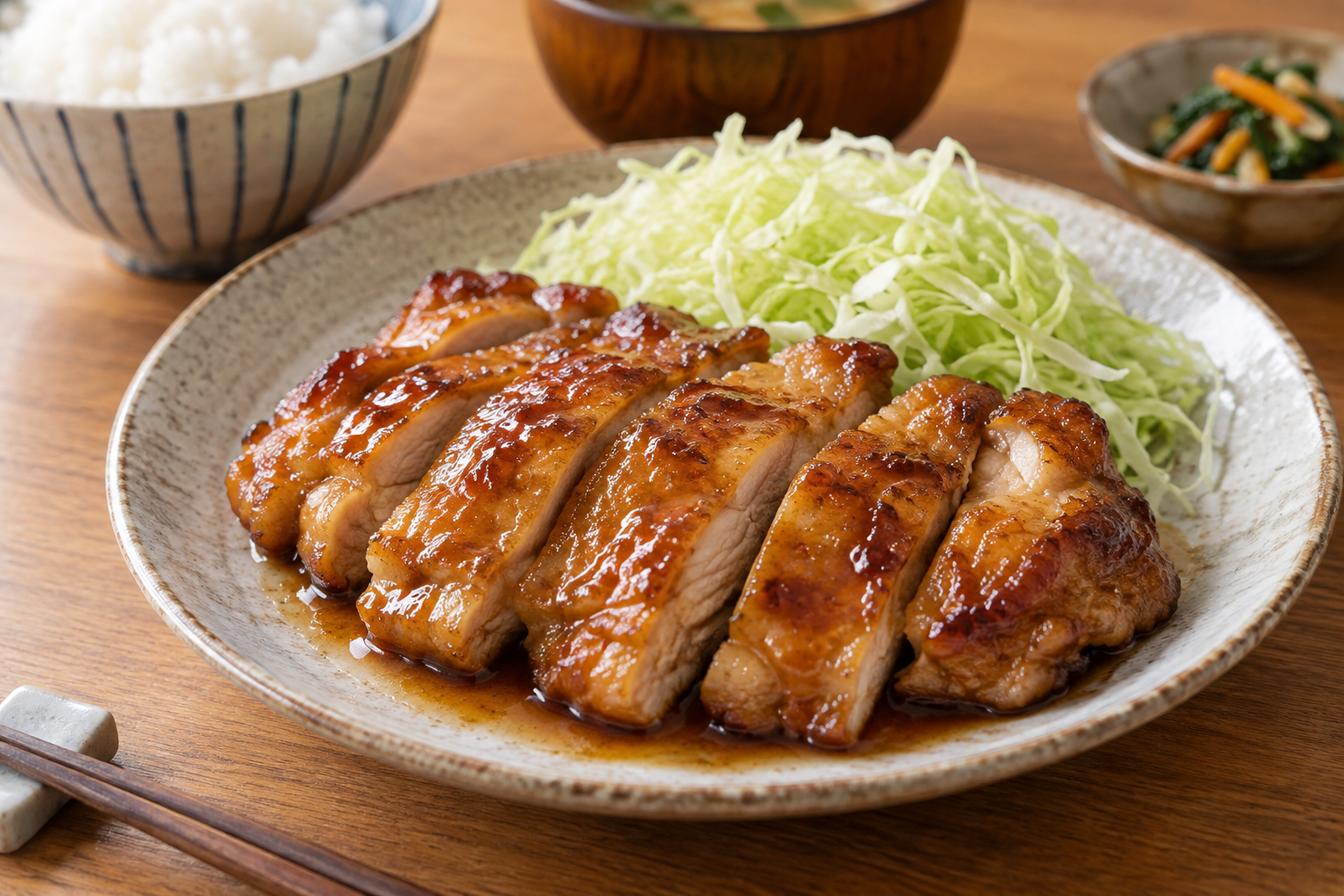
The step images are AI-generated illustrations of the cooking stages. Follow the written instructions and food-safety guidance when preparing the recipe.
Recipe at a Glance
- Serves: 2
- Prep time: 10 minutes
- Cook time: 15 minutes
- Total time: 25 minutes
Ingredients
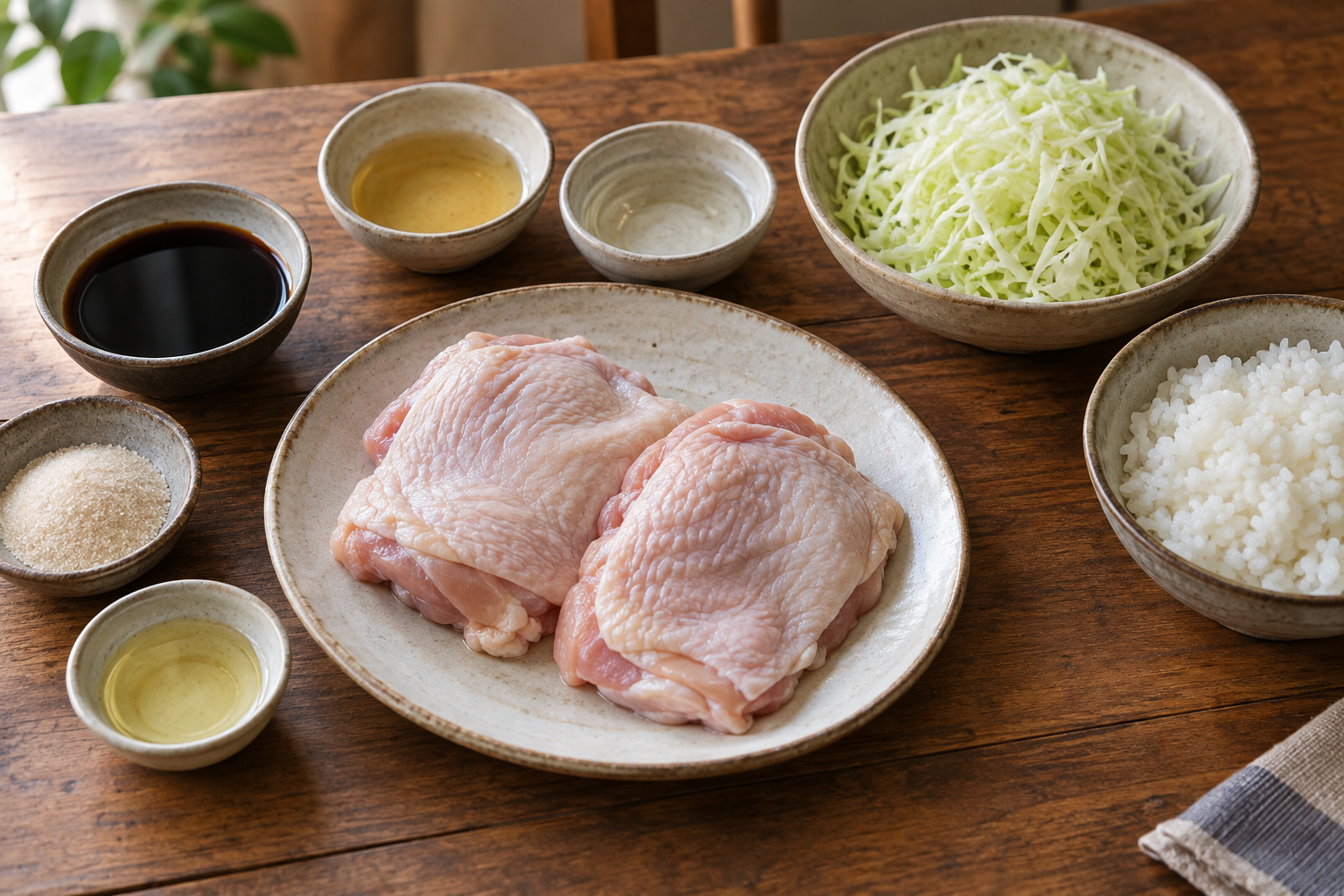
- 2 boneless, skin-on chicken thighs, about 12 ounces (340 g) total
- 1 teaspoon neutral oil, only if the chicken is very lean
- 2 tablespoons soy sauce
- 2 tablespoons mirin
- 1 tablespoon sake or water
- 1 tablespoon sugar
- Shredded cabbage and warm cooked rice, for serving
Choose thighs of similar thickness so they finish cooking at the same time. If using low-sodium soy sauce, taste the finished sauce before adding any salt.
How to Make Japanese Chicken Teriyaki
1. Mix the sauce
Stir the soy sauce, mirin, sake or water and sugar in a small bowl until the sugar begins to dissolve. Set it beside the stove.
2. Prepare the chicken
Pat the chicken very dry. Open or lightly score thick sections of meat so each thigh has an even thickness, taking care not to cut through the skin. Do not rinse raw chicken.
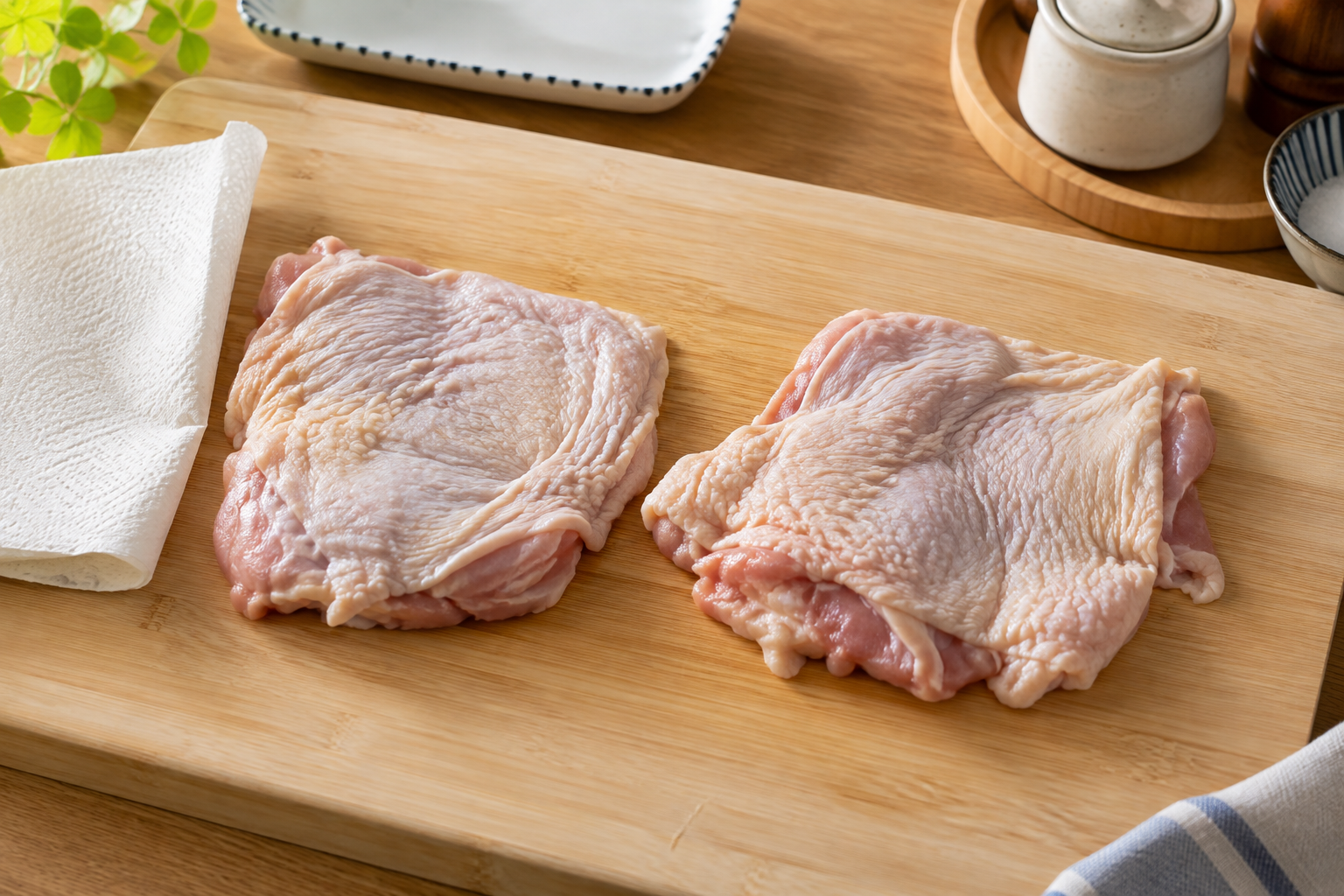
3. Brown the skin
Place the thighs skin-side down in a cold or barely warm skillet. Turn the heat to medium and press them flat with a spatula for the first minute. Cook for 6 to 8 minutes, occasionally spooning off excess fat, until the skin is deep golden and releases easily.
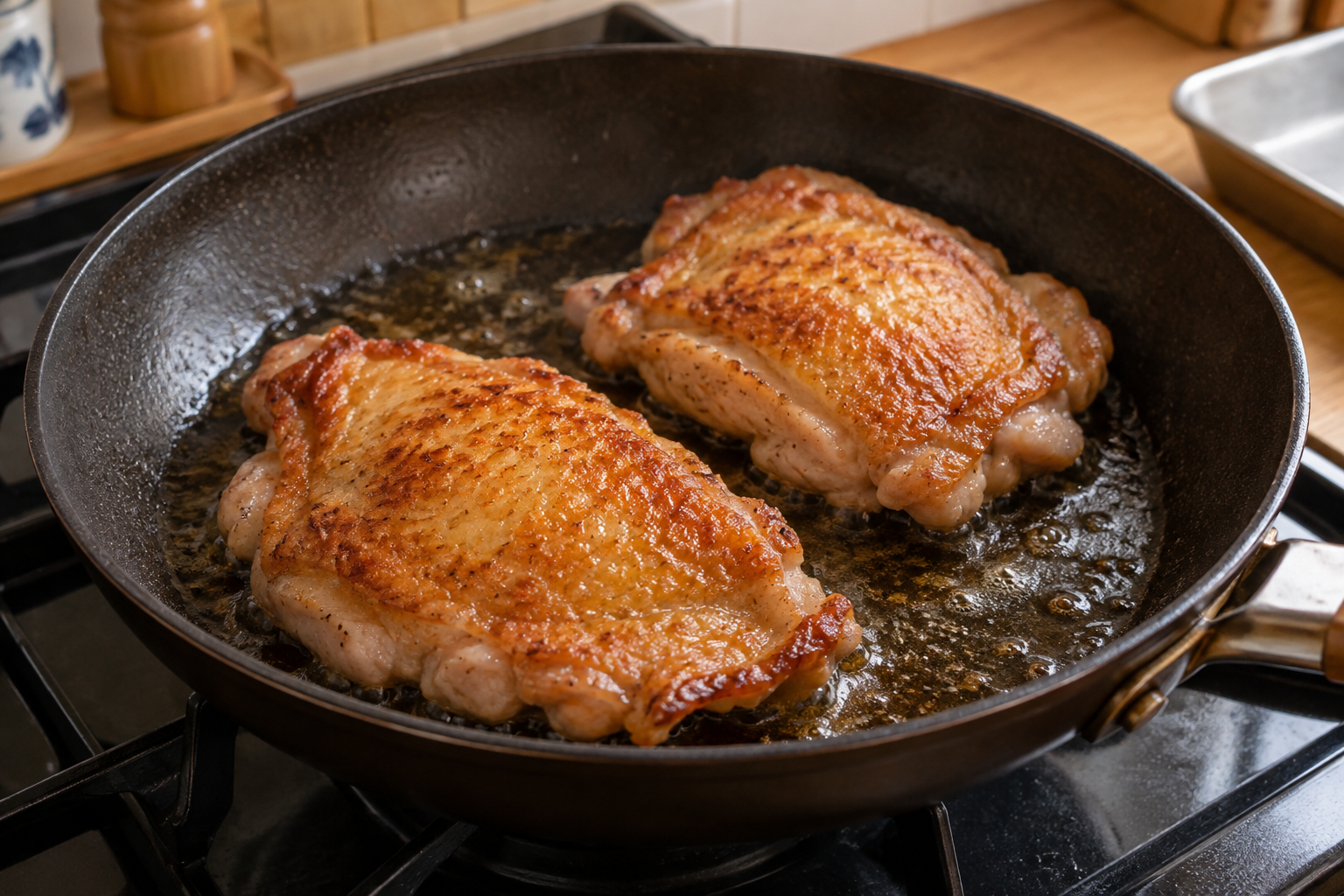
4. Cook the second side
Turn the chicken and cook for 3 to 5 minutes. The thickest part must reach at least 165°F (74°C). Lower the heat if the browned bits begin to burn.
5. Add the teriyaki sauce
Remove excess fat, leaving the browned flavor in the pan. Pour in the sauce mixture and bring it to a gentle bubble.
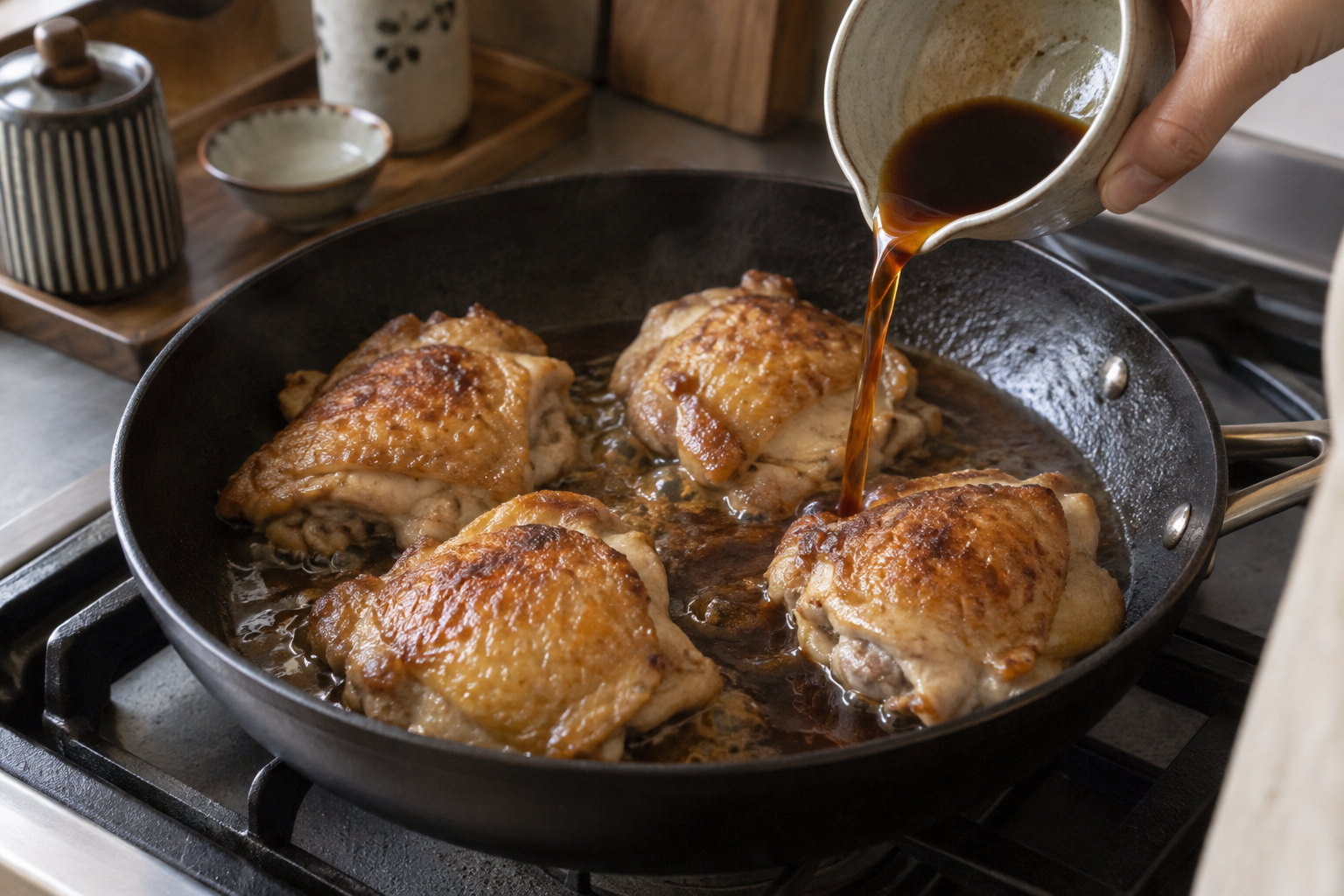
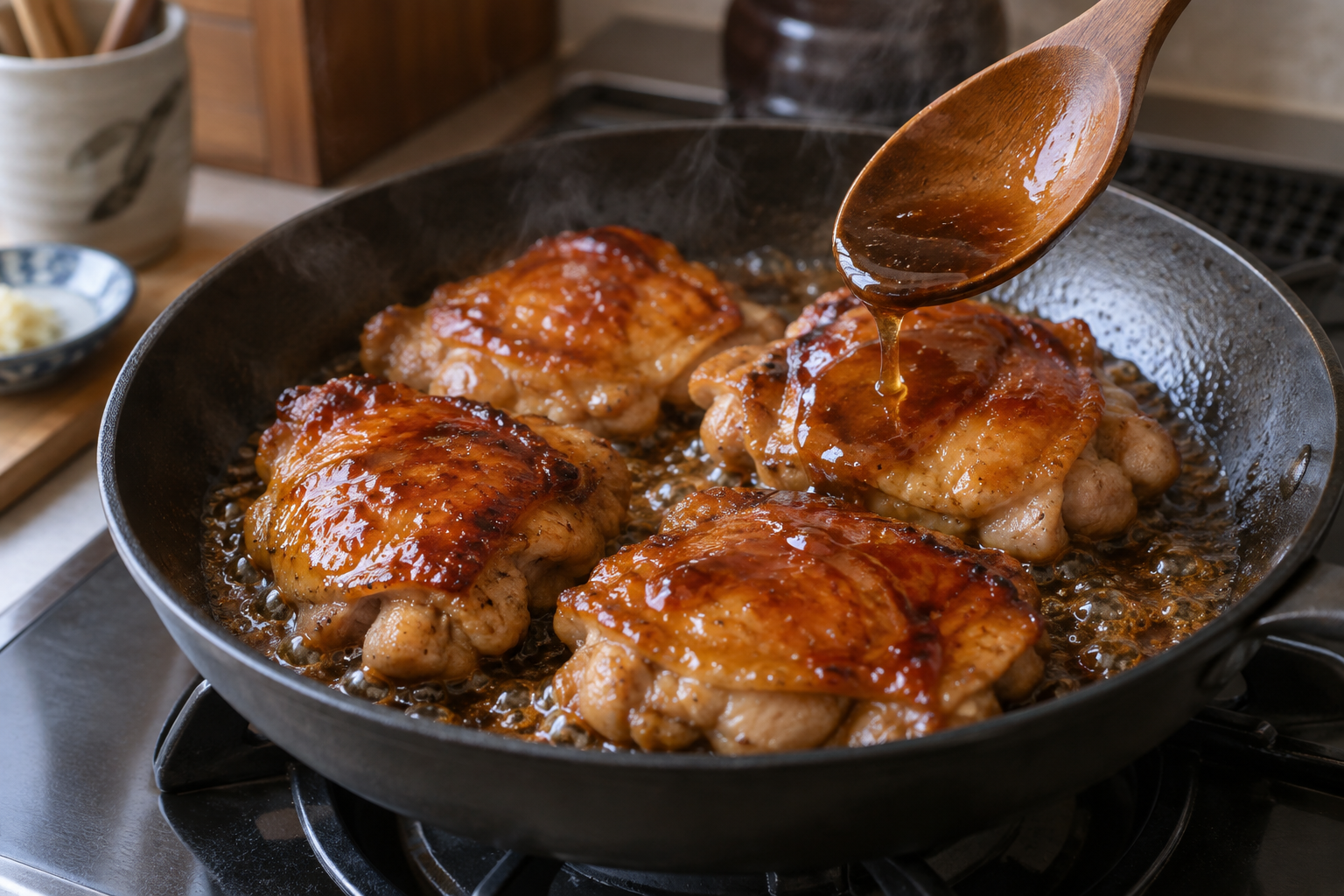
6. Glaze and serve
Turn the chicken skin-side up. Spoon the sauce over it for 1 to 3 minutes until the sauce lightly coats the chicken. Transfer to a board, rest for 3 minutes, slice and serve with cabbage and rice. Spoon a little pan sauce over the chicken.
Tips for First-Time Cooks
- Dry chicken browns more readily and spatters less.
- Begin skin-side down and give it time; moving the chicken too early can tear the skin.
- Remove excess rendered fat before adding sauce so the glaze does not become greasy.
- Keep the sauce at a gentle bubble. High heat can burn the sugar quickly.
- Check doneness with a thermometer in the thickest part without touching the pan.
Substitutions and Variations
No sake
Use water. The sauce will still balance soy sauce, mirin and sugar.
No mirin
Use 2 tablespoons water plus 2 teaspoons sugar in place of the mirin, then reduce the recipe's added sugar to 2 teaspoons. The flavor will be simpler but still useful.
Skinless chicken
Boneless skinless thighs work, but use the neutral oil and shorten browning time. Chicken breast can dry out more easily; cook only to a safe temperature.
What to Serve with It
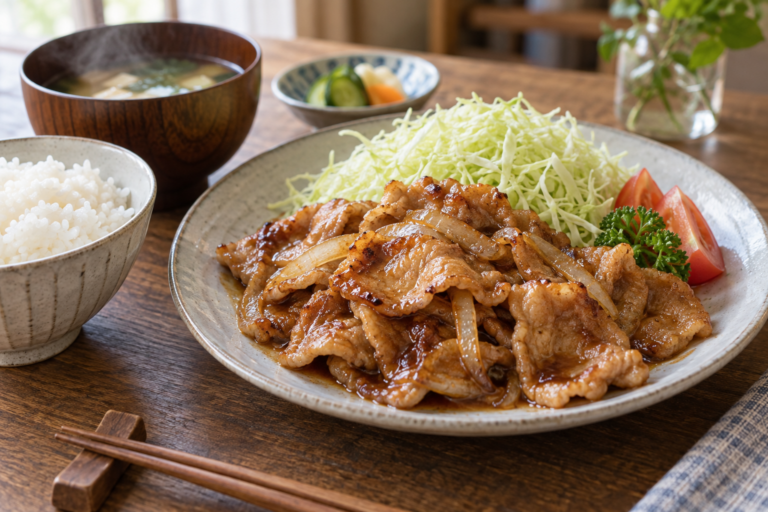
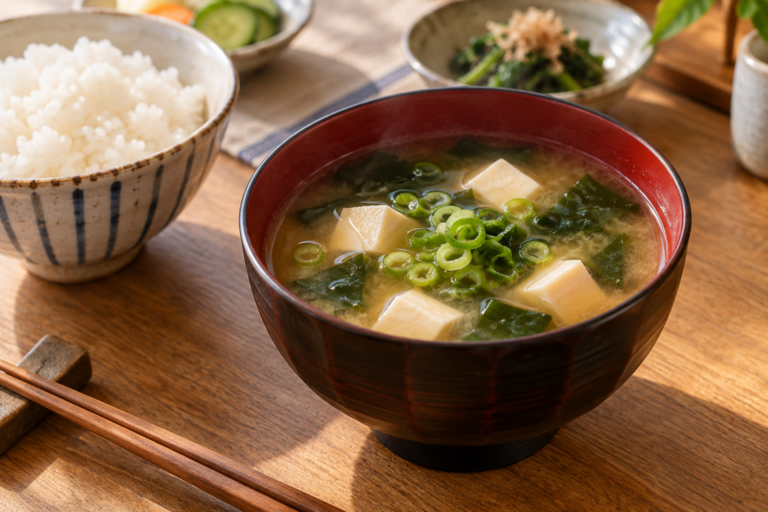
Serve chicken teriyaki with warm rice, finely shredded cabbage and miso soup. It also pairs with Japanese potato salad once that recipe is published. Explore more everyday meals in What Do Japanese People Actually Eat at Home?.
For safe doneness, follow the USDA minimum internal temperature of 165°F (74°C) for poultry.
Storage and Reheating
Refrigerate cooked chicken within 2 hours in a covered container and use within 3 days for best quality. Reheat gently in a skillet with a spoonful of water, or microwave covered, until steaming hot throughout. Store rice separately and refrigerate it promptly.
Frequently Asked Questions
Is teriyaki a marinade?
In this Japanese-style method, the chicken is browned first and the sauce is reduced in the pan at the end. A long marinade is not necessary.
Why did my sauce burn?
The pan was probably too hot or the sauce reduced too long. Lower the heat before adding the sugar-containing sauce and stop when it lightly coats a spoon.
Can I make this without skin?
Yes. Use skinless thighs and a teaspoon of oil, but expect less crispness and slightly less richness.
How do I know the chicken is done?
Insert an instant-read thermometer into the thickest part. It should register at least 165°F (74°C).
Did you try this recipe? Leave a comment with your substitution or cooking question to help other first-time cooks.
Build Your Japanese Pantry
Not sure which rice, miso, soy sauce or dashi to buy outside Japan? Start with our practical guide to the 12 most useful staples.