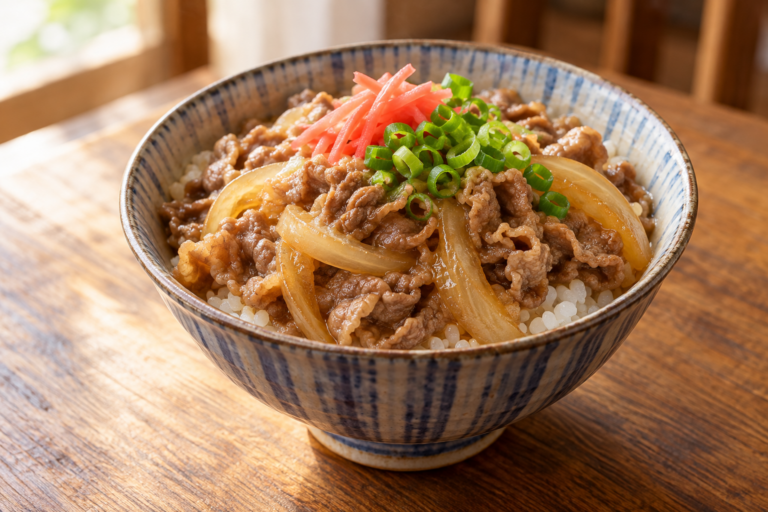
Easy Shogayaki Recipe (Japanese Ginger Pork)
Shogayaki is a Japanese home-style pork dish with a glossy ginger, soy sauce and mirin glaze. Thin pork slices cook quickly, making this a useful weeknight dinner. Serve it with rice and shredded cabbage to catch the sauce.
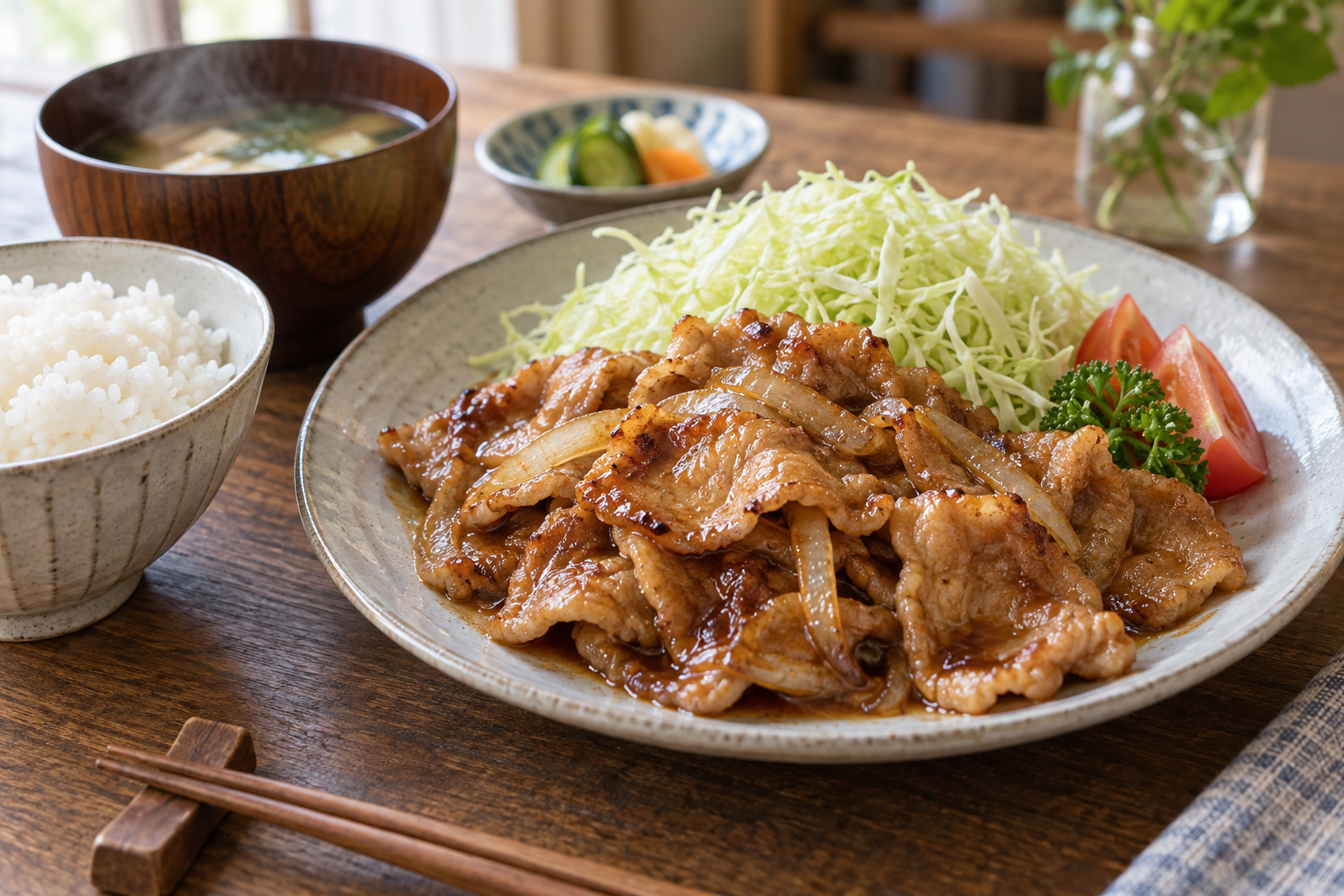
The step images are AI-generated illustrations of the cooking stages. Use the written instructions and safe cooking guidance as the source of truth.
Recipe at a Glance
- Servings: 2
- Prep time: 10 minutes
- Cook time: 10 minutes
- Total time: 20 minutes
Ingredients
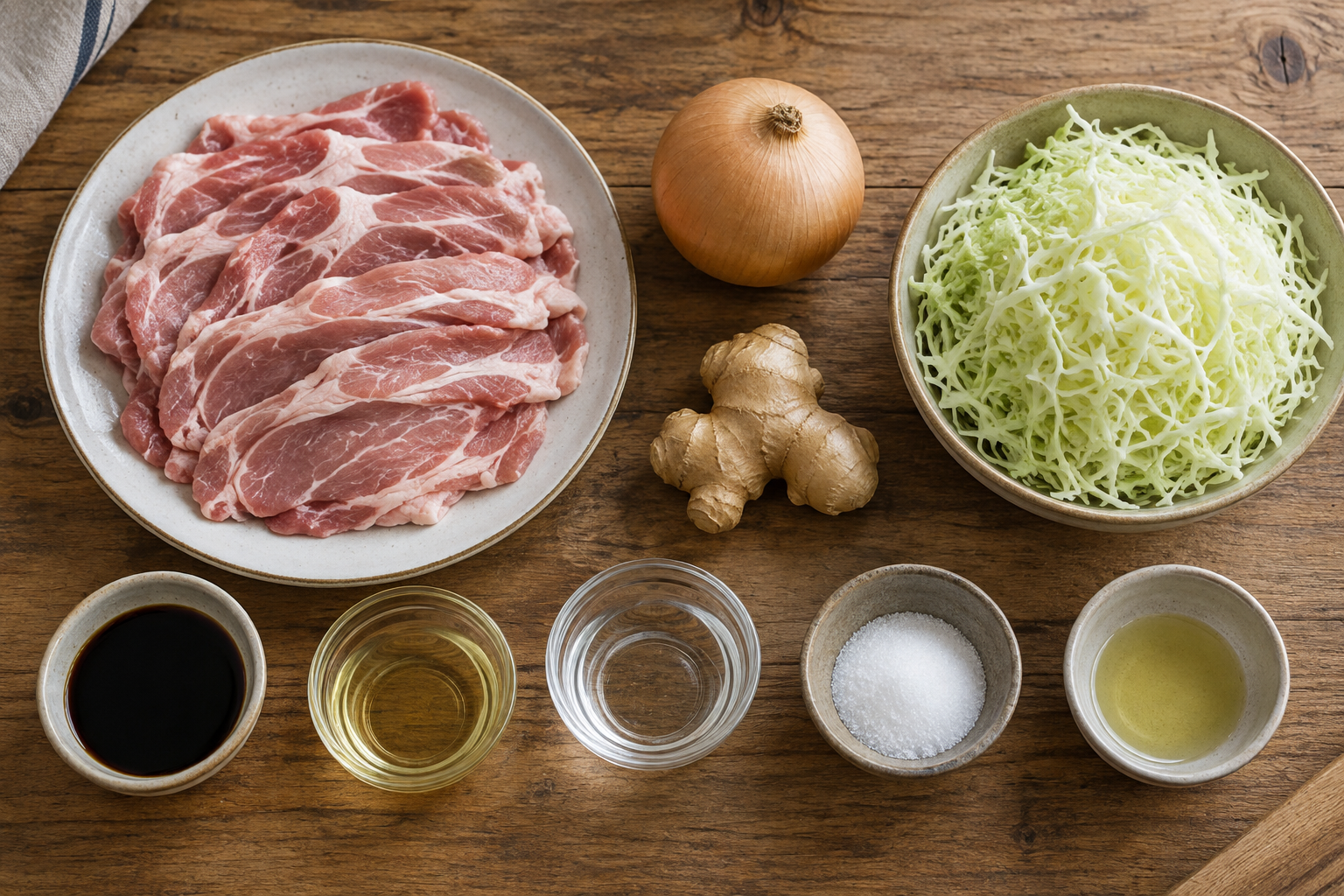
- 10 oz (about 280 g) thinly sliced pork loin or shoulder
- 1/2 medium onion, thinly sliced
- 1 tablespoon freshly grated ginger
- 2 tablespoons soy sauce
- 1 tablespoon mirin
- 1 tablespoon sake or water
- 1 teaspoon sugar
- 1 teaspoon neutral oil
- 2 cups finely shredded cabbage, to serve
- Warm cooked rice, to serve
How to Make Shogayaki
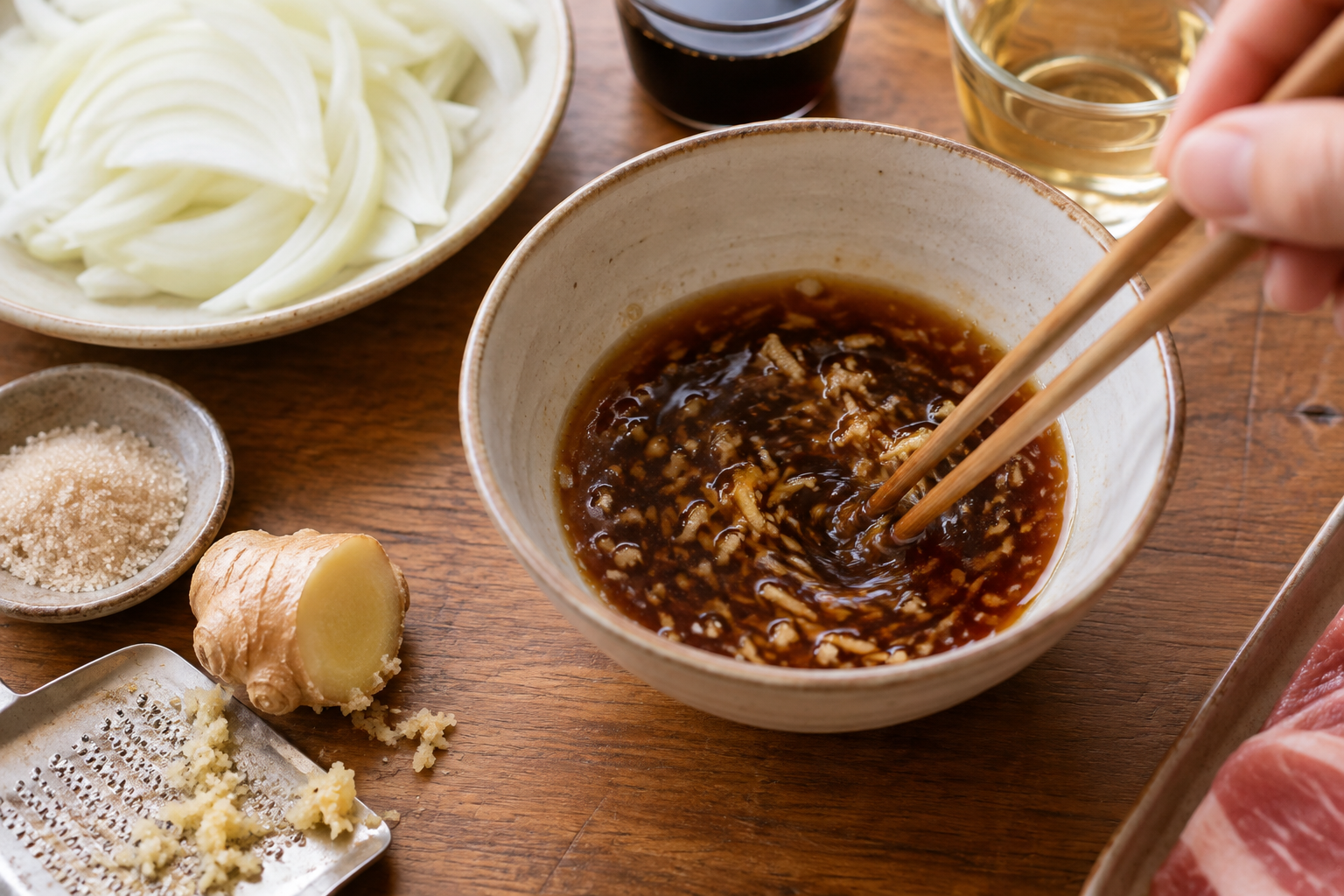
1. Mix the ginger sauce
In a small bowl, stir the grated ginger, soy sauce, mirin, sake or water and sugar until the sugar dissolves. Set aside. Slice the onion and prepare the cabbage before heating the pan.
2. Cook the onion and pork
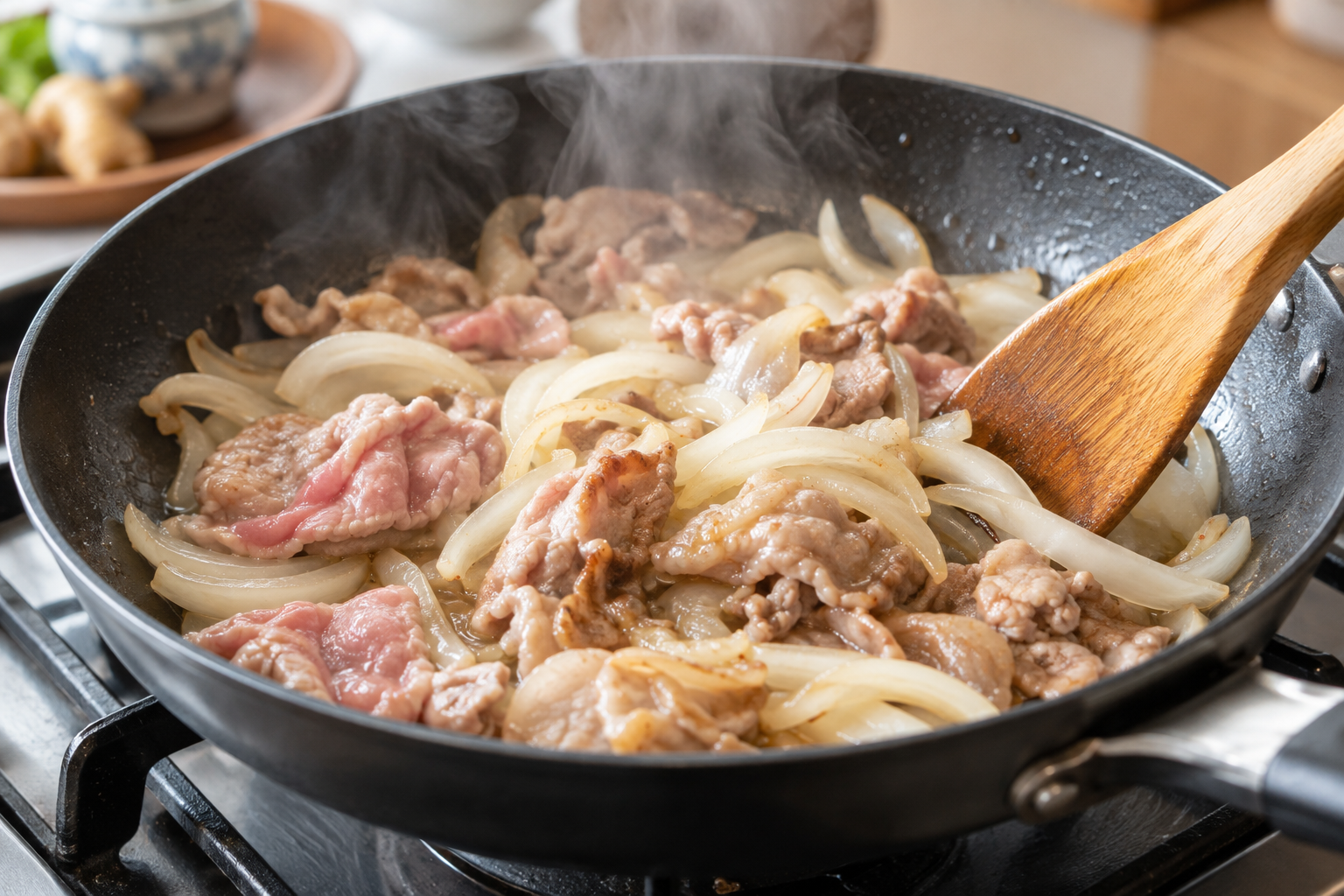
Heat the oil in a wide skillet over medium heat. Add the onion and cook for about 2 minutes until it starts to soften. Add the pork in a loose layer. Cook, turning the slices, until no pink remains and the pork is cooked through. Work in two batches if the pan is crowded.
3. Glaze with the sauce
Pour in the ginger sauce and toss the pork and onion for 1 to 2 minutes until the sauce bubbles and lightly coats everything. Do not boil it for long or the pork may become tough.

4. Serve
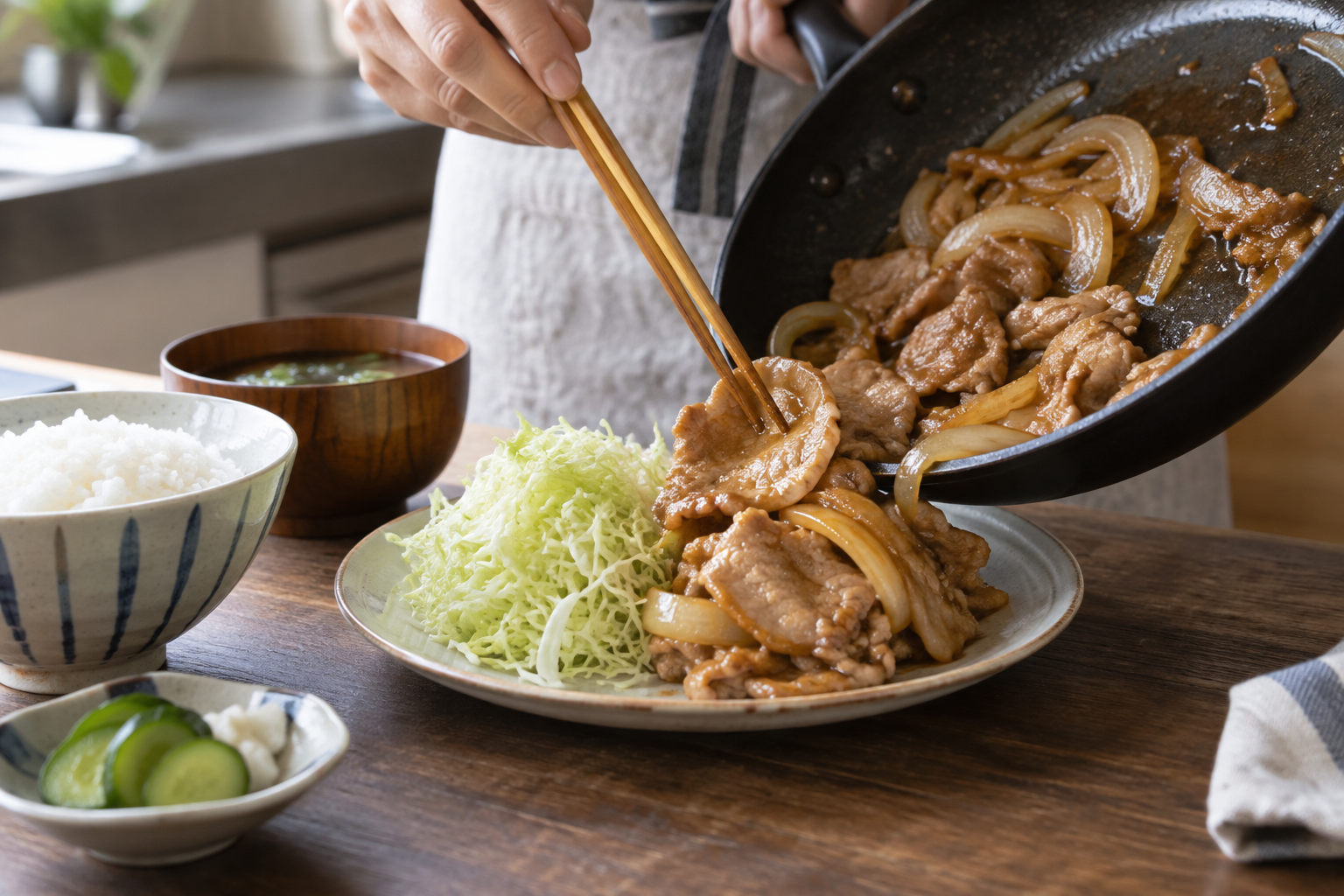
Divide the pork between plates and spoon over the remaining sauce. Add shredded cabbage and serve with warm rice.
Beginner Tips
- Thin slices cook quickly. Keep the pork moving and avoid crowding the pan.
- Freshly grated ginger gives the brightest flavor. Start with a little less if you prefer a milder sauce.
- Add the sauce only after the pork is cooked so its sugar does not burn while the meat is still raw.
- If the sauce reduces too far, add 1 tablespoon water and stir.
Substitutions
No mirin
Use 1 tablespoon water plus an extra 1/2 teaspoon sugar. The flavor is a little less rounded, but still pleasant.
No sake
Use water. No alcohol is necessary for this recipe.
Other cuts of pork
Thinly sliced pork shoulder stays juicy, while lean loin is lighter. If using thicker slices, increase cooking time and verify they are safely cooked.
Common Problems
The pork is tough
The pan may have been too hot or the meat cooked too long. Use thin slices and stop as soon as they are safely cooked.
The sauce tastes salty
Use low-sodium soy sauce next time, or add 1 to 2 tablespoons water to the pan. Serve with unsalted rice and cabbage.
The sauce burns
Lower the heat before adding it. If burnt, start the sauce again in a clean pan rather than scraping bitter residue into the dish.
Serving and Storage
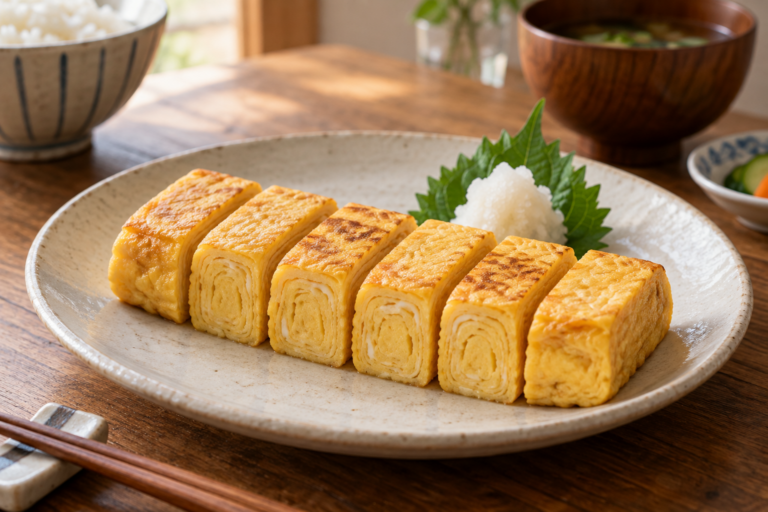
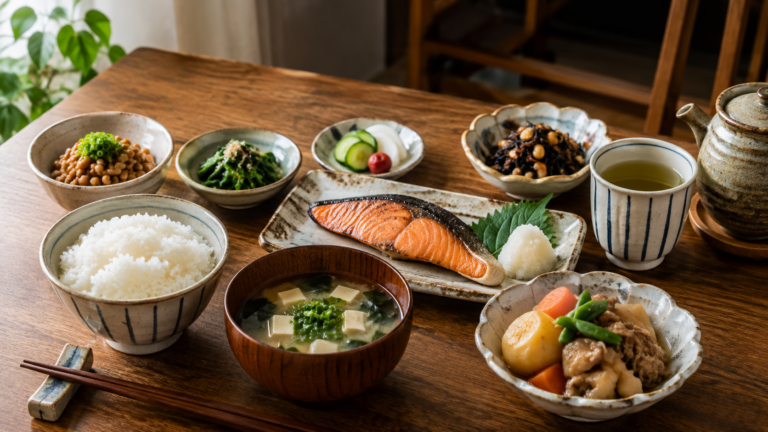
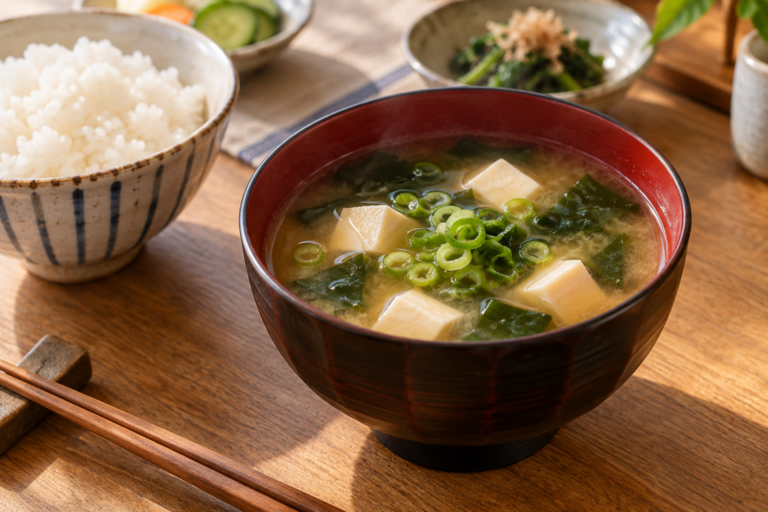
Serve shogayaki with miso soup and rice. It is also a useful companion to tamagoyaki in a home-style meal. For more context, browse what Japanese people actually eat at home.
Refrigerate leftovers promptly in a sealed container and use within 3 days for quality. Reheat until steaming hot. For safe pork temperatures, consult the FoodSafety.gov minimum internal temperature chart; whole-cut pork should reach 145°F (63°C) and rest for 3 minutes. Thin slices are difficult to probe, so use a suitable thermometer and ensure all pieces are thoroughly cooked.
Frequently Asked Questions
Can I make shogayaki ahead?
Yes. Mix the sauce and slice the onion ahead, but cook the pork just before serving for the best texture.
Is shogayaki spicy?
No. Ginger adds warmth and fragrance, not chile heat.
Can I leave out the onion?
Yes. Cook the pork in a single layer, then add the sauce. The finished dish will be less sweet.
Can I use chicken instead?
You can use chicken, but cooking time and safe temperature change. Use a thermometer and follow the poultry guidance on FoodSafety.gov.
Did you make this ginger pork? Leave a comment with your preferred cut of pork and any cooking questions.
Build Your Japanese Pantry
Not sure which rice, miso, soy sauce or dashi to buy outside Japan? Start with our practical guide to the 12 most useful staples.