What Do Japanese People Actually Eat at Home?
Try These Japanese Home Dishes Yourself
Ready to move from reading to cooking? Browse these approachable Japanese home dishes. Step-by-step recipes are linked as they are published.
RECIPE AVAILABLE
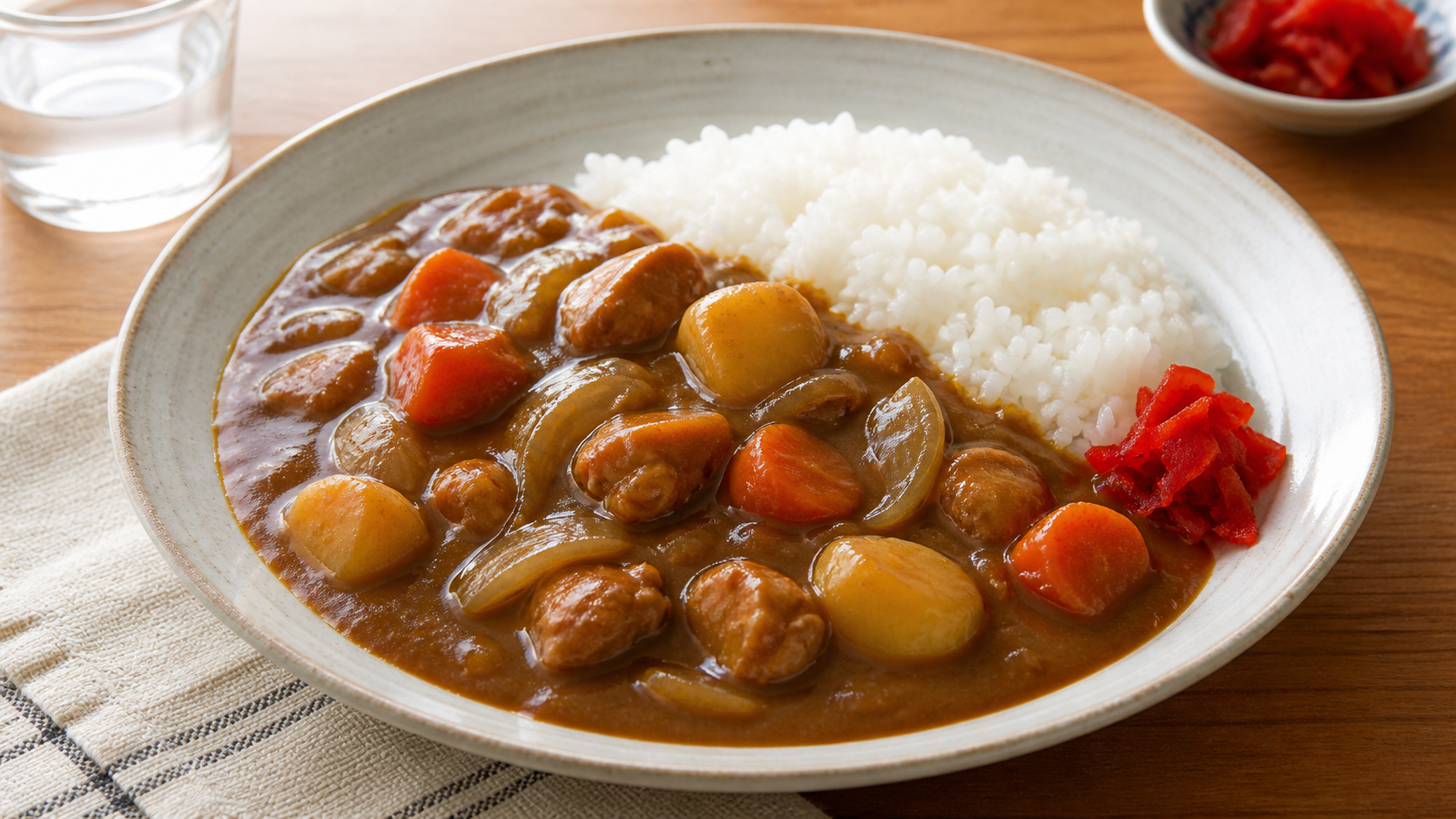
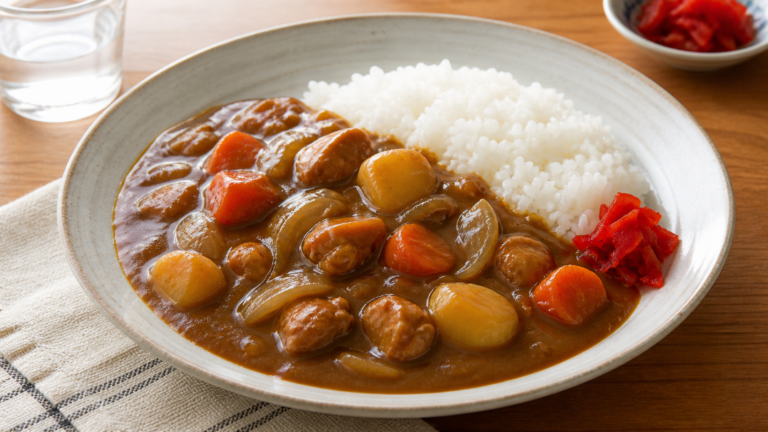
Japanese Curry Rice
A mild, comforting curry with meat, potatoes, carrots and onions, served with rice.
RECIPE AVAILABLE
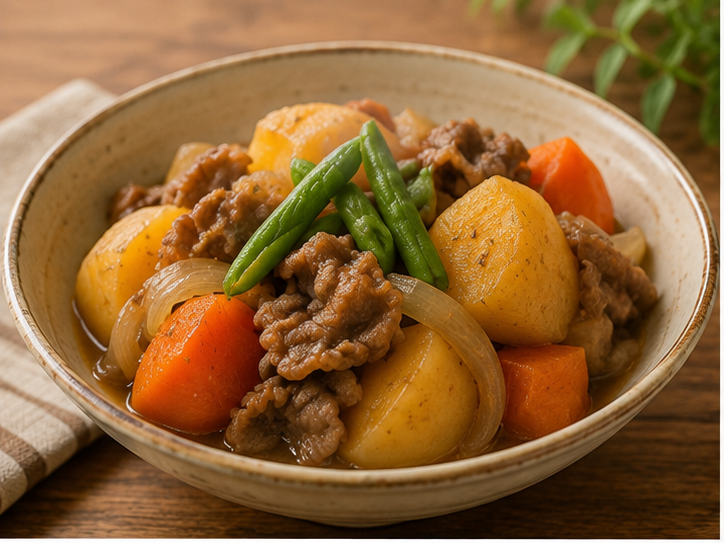
Nikujaga
A sweet-savory Japanese stew of meat, potatoes and onions in a soy-based broth.
RECIPE AVAILABLE
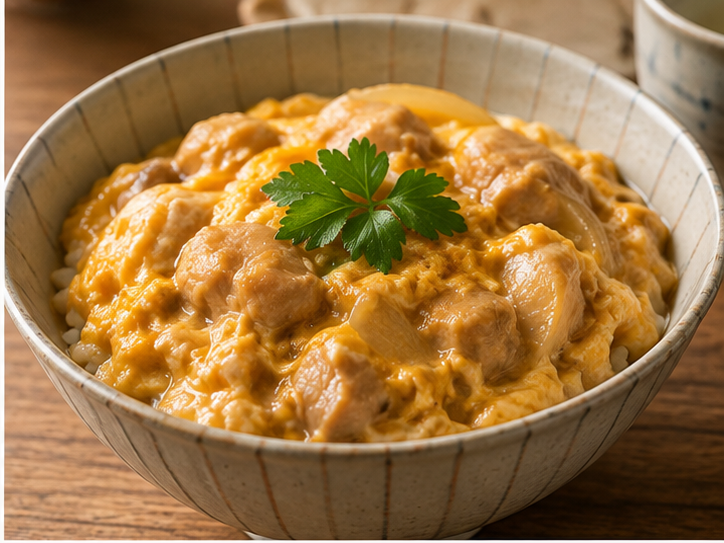
Oyakodon
Chicken and softly cooked egg simmered in a lightly sweetened dashi sauce over rice.
RECIPE AVAILABLE
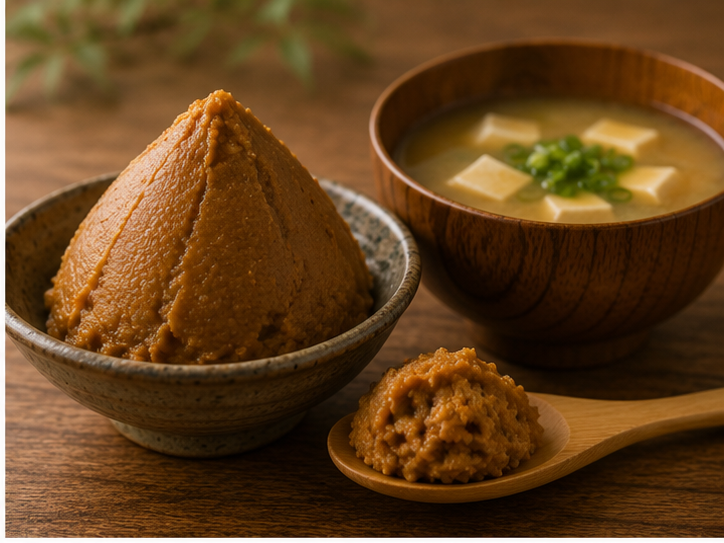
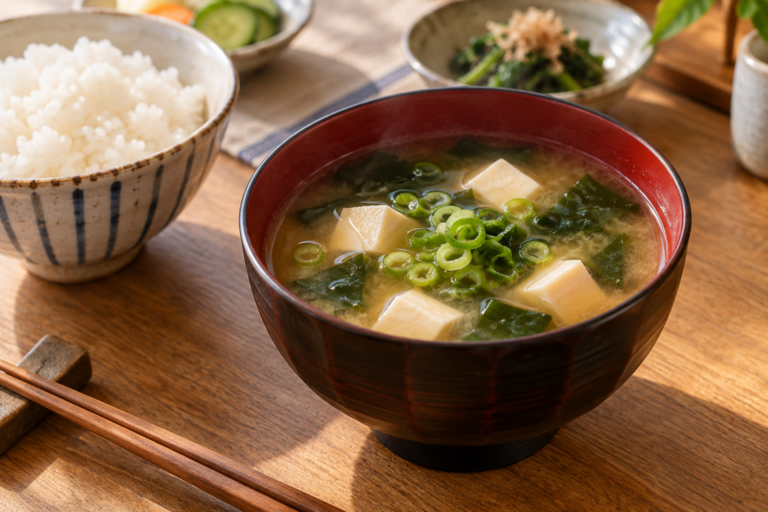
Miso Soup
A flexible everyday soup made with dashi and miso, plus tofu, wakame or vegetables.
RECIPE AVAILABLE
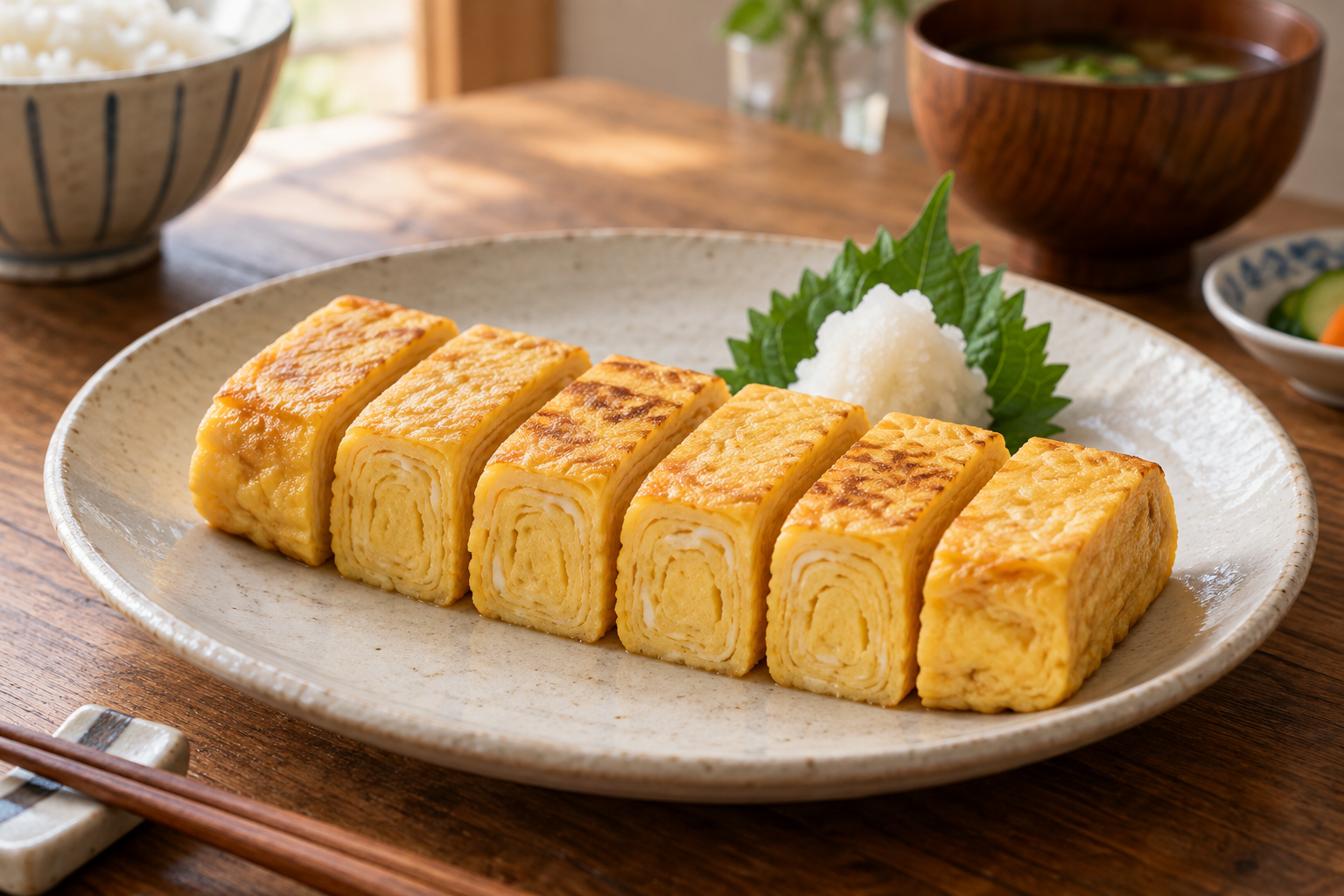
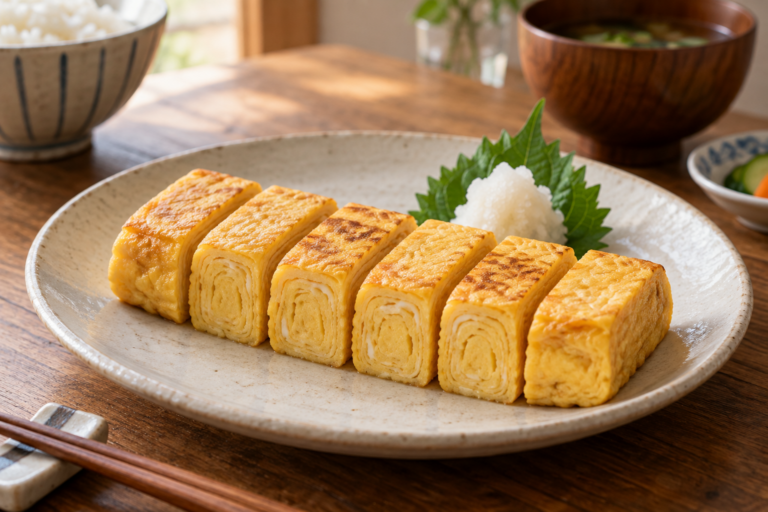
Tamagoyaki
A gently sweet or savory layered Japanese rolled omelet for breakfast or bento.
RECIPE AVAILABLE
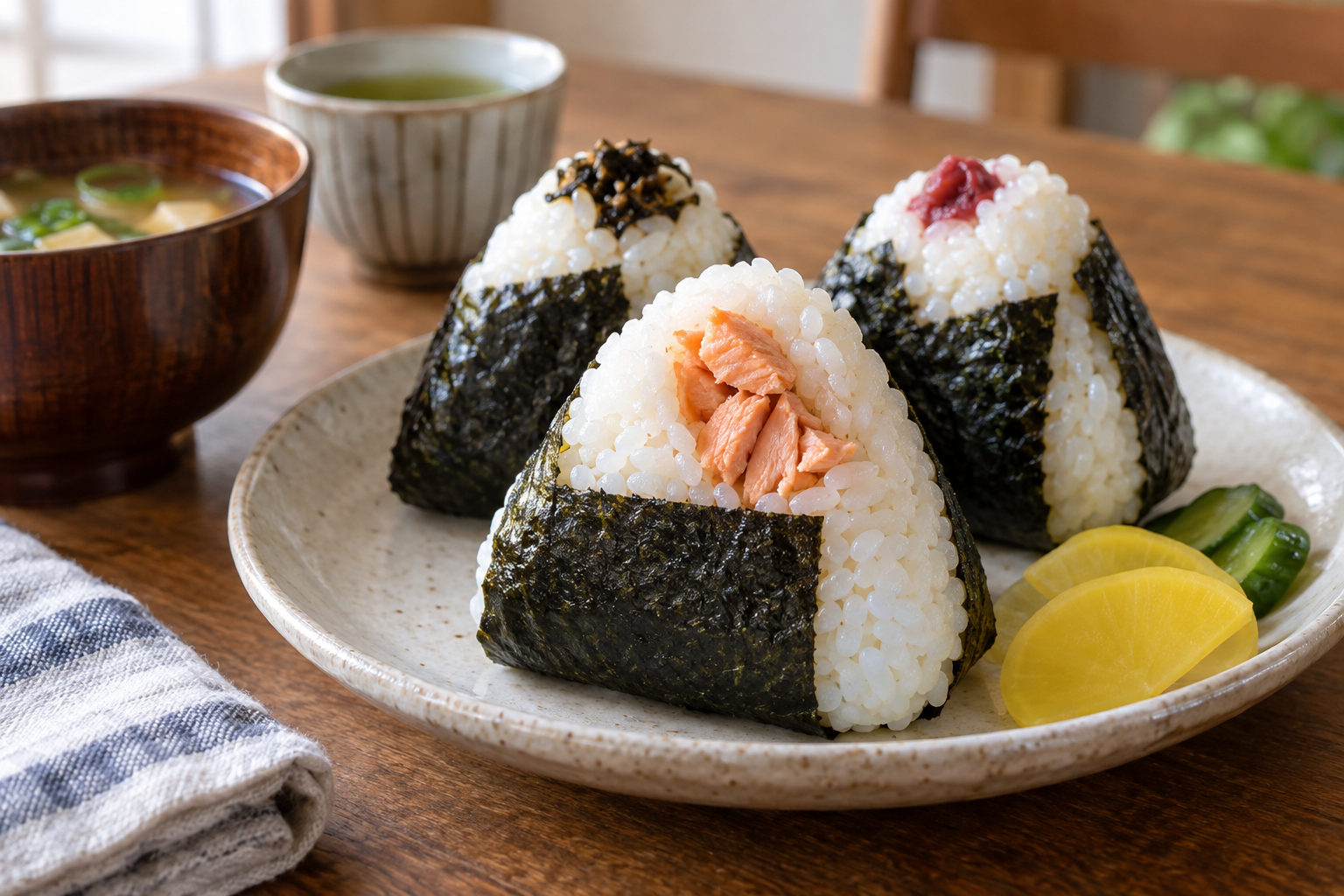
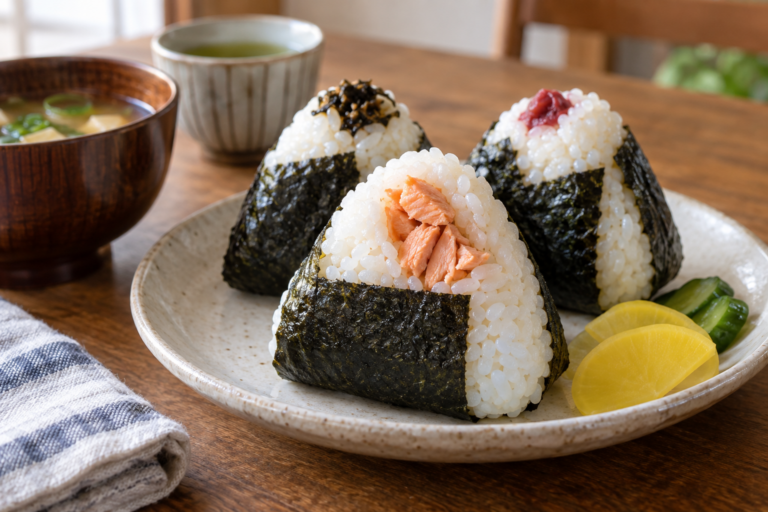
Salmon Onigiri
Japanese rice balls filled with cooked salmon and wrapped in crisp nori.
RECIPE AVAILABLE
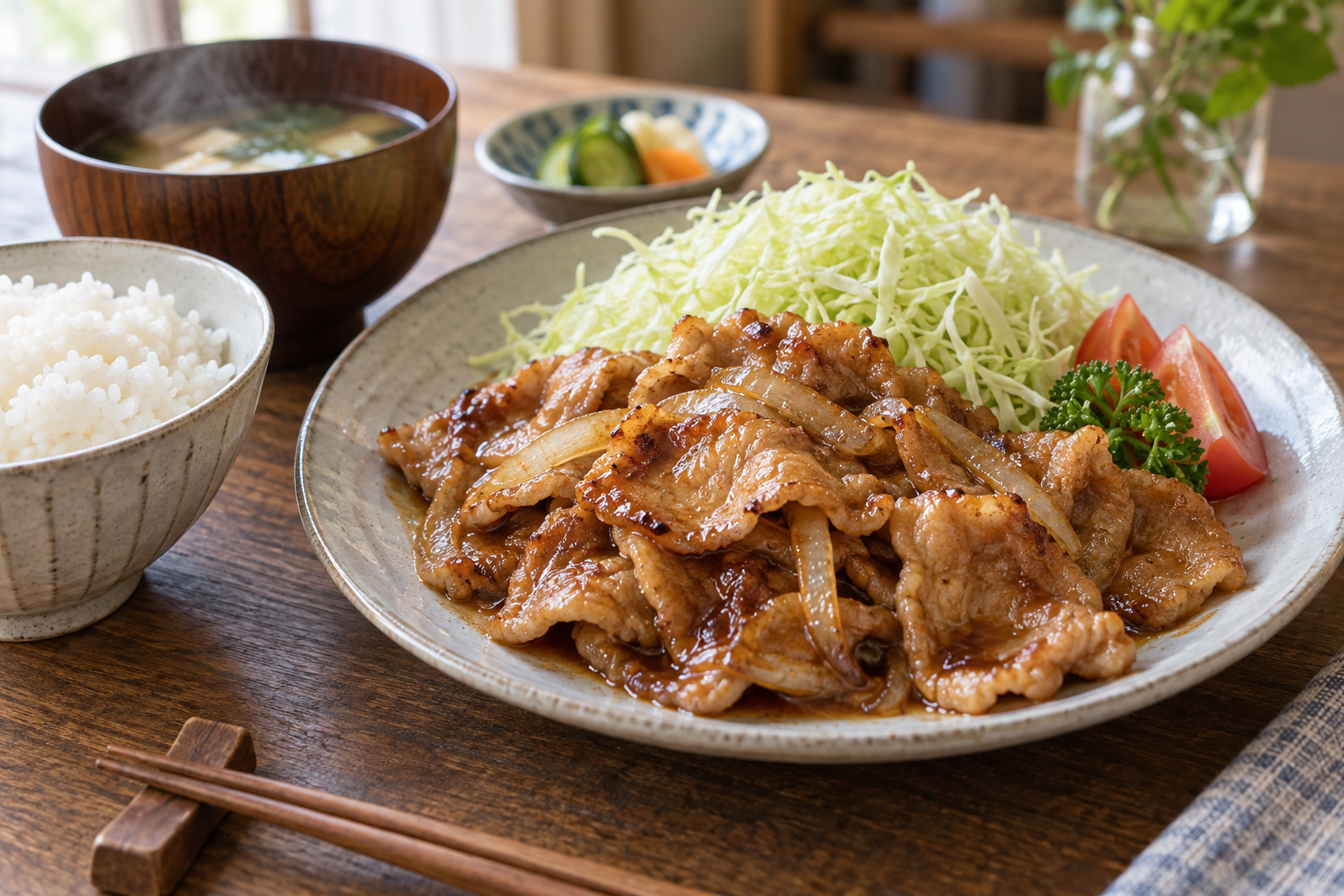
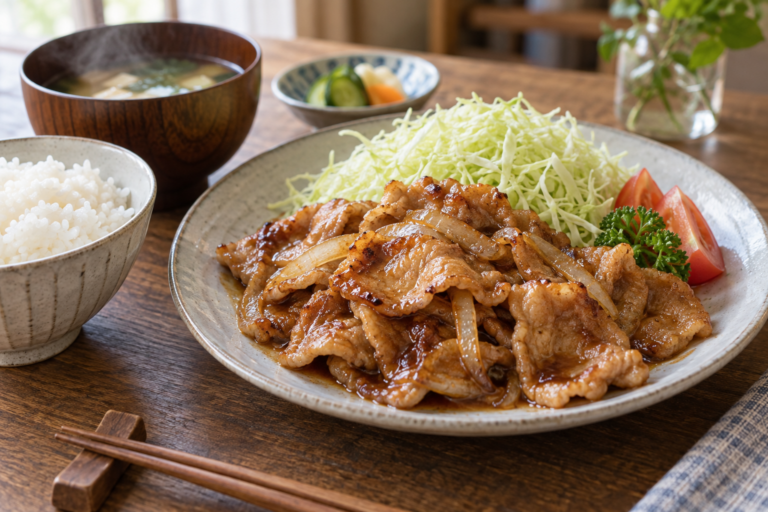
Shogayaki
Thinly sliced pork and onion coated in a quick savory-sweet ginger sauce.
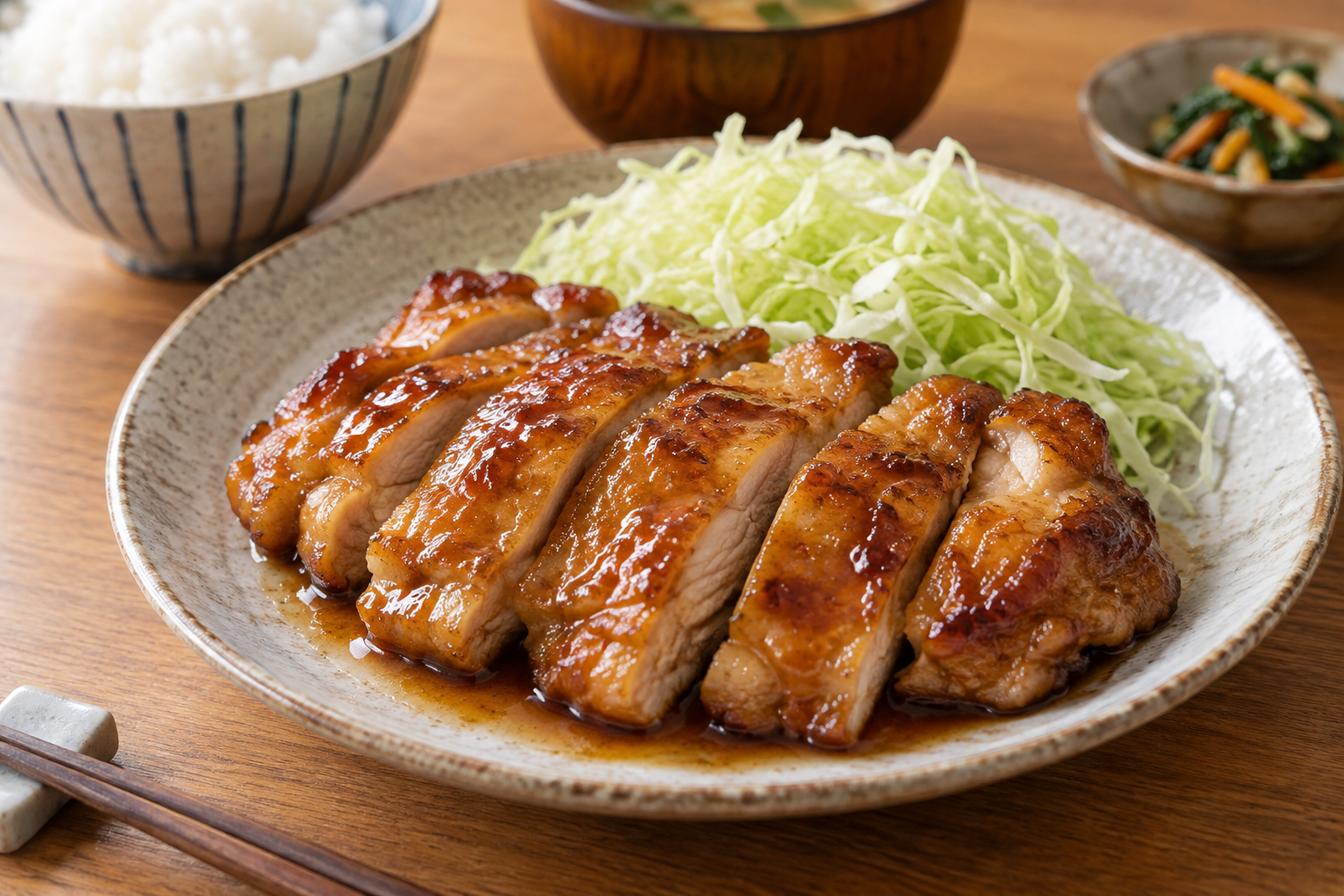
RECIPE AVAILABLE
Chicken Teriyaki
Crisp chicken thighs finished with a glossy homemade soy-mirin glaze.
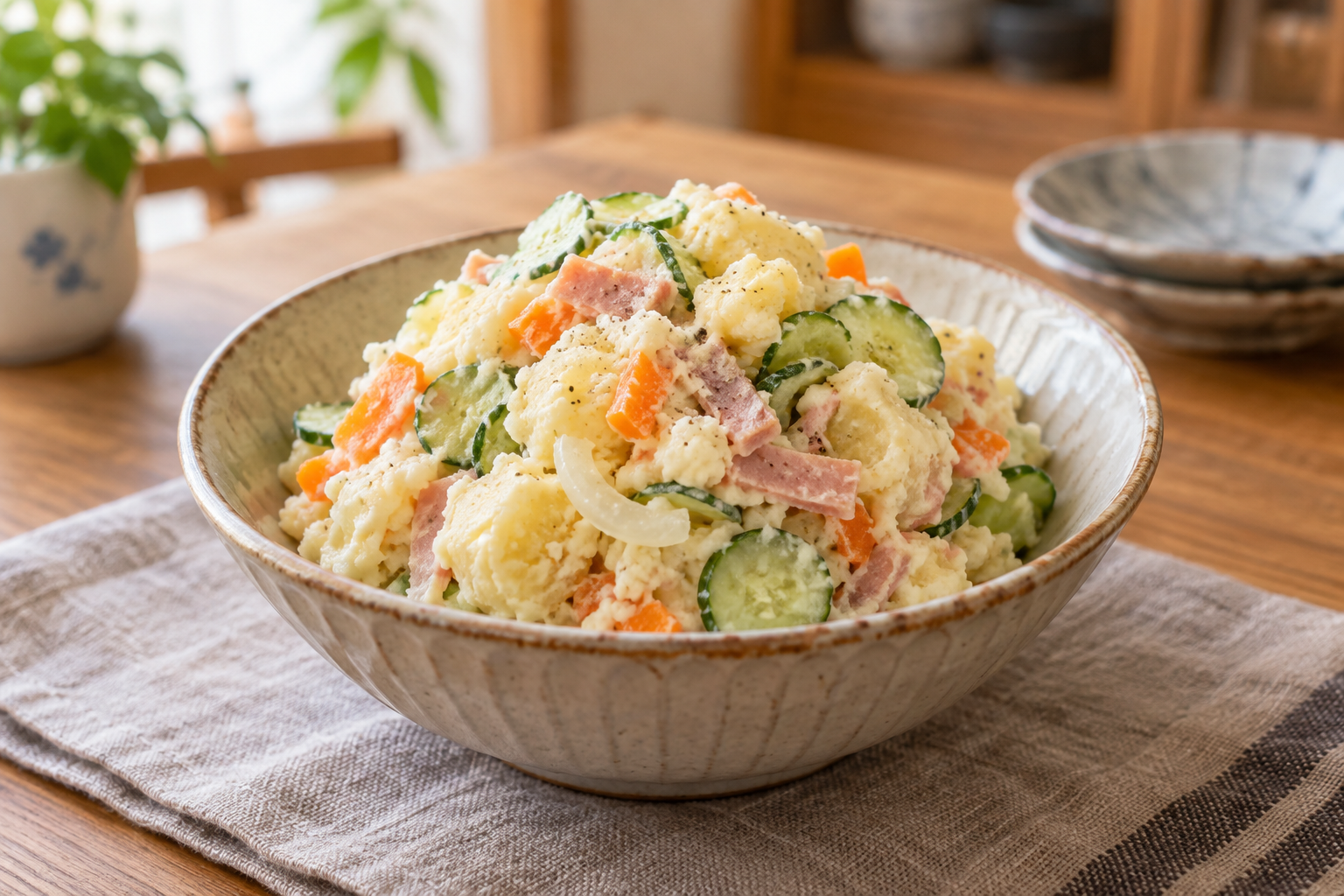
RECIPE AVAILABLE
Japanese Potato Salad
Creamy, lightly tangy potato salad with crisp cucumber, carrot and egg.
Explore more everyday Japanese food in our Everyday Food section.
What do Japanese people eat at home? The answer is much more varied than many people outside Japan might expect.
When people imagine Japanese food, they often picture sushi, ramen, tempura or beautifully arranged restaurant meals.
But that is not what most people in Japan eat at home every day.
An ordinary Japanese kitchen is much more varied.
A weekday dinner might include rice, miso soup, grilled fish and vegetables. The next evening could be Japanese curry. Another night might mean pasta, gyoza, a rice bowl, supermarket side dishes or leftovers from the day before.
Japanese home cooking is not one fixed cuisine. It is a mixture of traditional washoku, Japanese-style Western food, Chinese-influenced dishes, convenience foods and family favorites that have developed over generations.
So what do Japanese people actually eat at home?
Here is a closer look at the everyday Japanese table — beyond sushi and ramen.
There Is No Single “Typical Japanese Meal”
The first thing to understand is that there is no meal that represents every Japanese household.
Age, region, family size, work schedule, income, season and personal preference all influence what people eat.
A retired couple in rural Nagano may eat very differently from a young office worker living alone in Tokyo. A family with school-age children may cook different meals from a university student in Osaka.
And modern Japanese households do not necessarily cook everything from scratch.
A recent survey by Japan’s Ministry of Agriculture, Forestry and Fisheries found that 28.8% of respondents said they prepared most of their meals by cooking from ingredients. This is a useful reminder that ready-made foods, prepared ingredients and meals made by other family members are also part of contemporary life in Japan.
Still, several patterns appear again and again.
Rice remains important. Soup is common. Small vegetable dishes frequently accompany a main dish. At the same time, curry, pasta, hamburg steak and other foods with international origins have become completely normal parts of Japanese home cooking.
The Traditional Model: Rice, Soup and Side Dishes
One useful way to understand the Japanese table is the idea of ichiju sansai.
Literally, it means:
- one soup
- three dishes
Traditionally, this structure is served alongside rice and pickles.
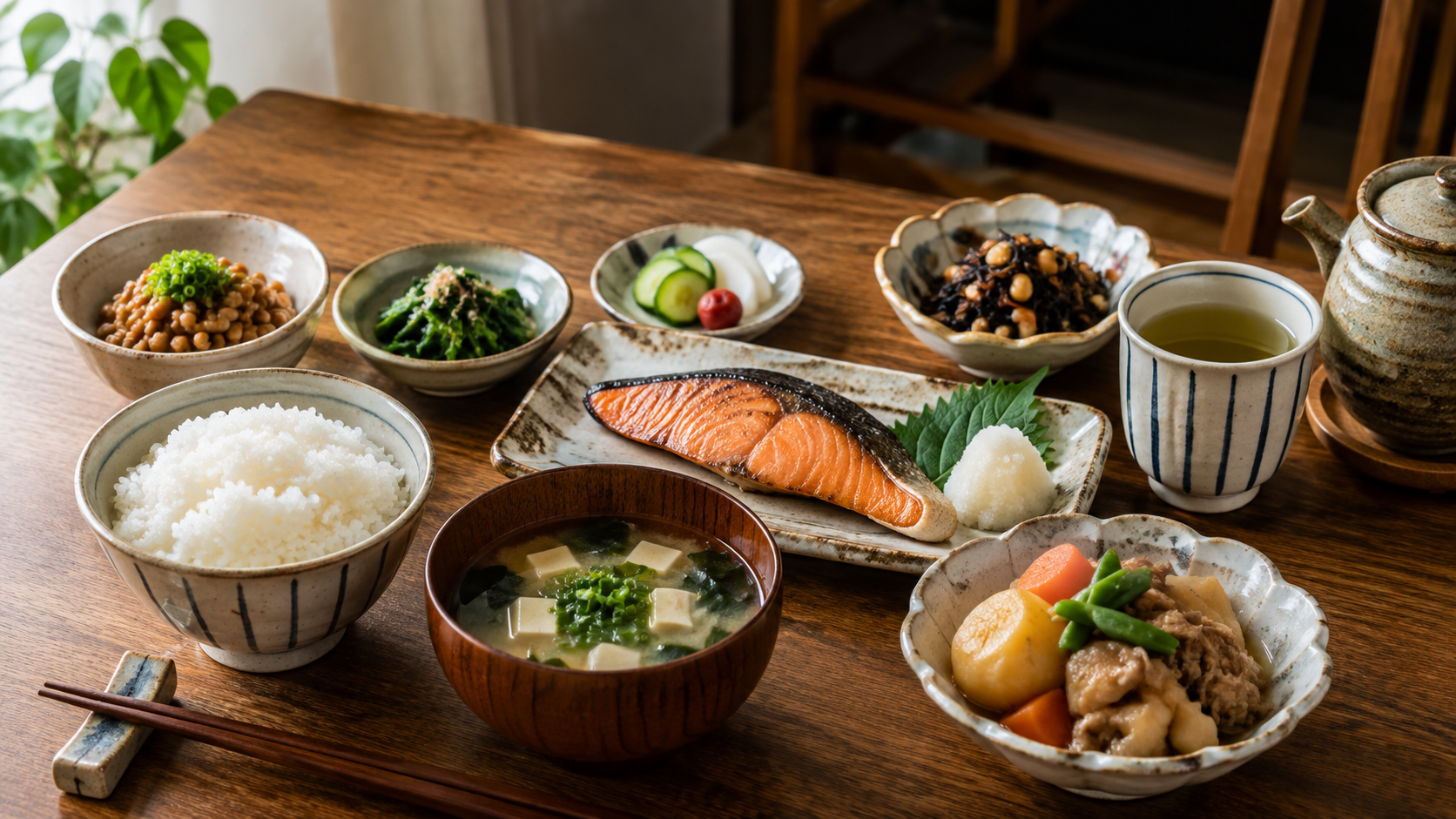
A classic example might look like this:
Rice
Steamed white rice
Soup
Miso soup with tofu and green onions
Main dish
Grilled salmon
Side dishes
Simmered vegetables and spinach with sesame dressing
Pickles
A small serving of Japanese pickles
But this should be understood as a cultural framework, not a rule that Japanese families follow at every meal.
A busy Tuesday night might contain only rice, miso soup and one main dish.
Another night may be a single bowl of curry rice.
The influence of ichiju sansai remains visible, but everyday meals are often much simpler.
What Do Japanese People Eat for Breakfast?
Japanese breakfast can broadly fall into two patterns: Japanese-style and Western-style.
And many households alternate between the two.
1. Rice, Miso Soup and Grilled Fish
The image many people have of a traditional Japanese breakfast is real.
It may include:
- steamed rice
- miso soup
- grilled salmon or mackerel
- natto
- pickles
- nori seaweed
- tamagoyaki, or rolled omelet
But preparing all of this every morning takes time, so simpler versions are common.
2. Natto and Rice
One of the quickest Japanese breakfasts is hot rice topped with natto, fermented soybeans.
Soy sauce, mustard, green onion or a raw egg may be added.
Its sticky texture and distinctive aroma can surprise first-time visitors, but it is a familiar everyday food in many Japanese homes.
3. Tamago Kake Gohan
Another extremely simple meal is tamago kake gohan, often abbreviated TKG.
A raw egg is mixed with hot rice and seasoned with soy sauce.
It takes only a few minutes to prepare.
4. Toast, Eggs and Coffee
Not every Japanese breakfast contains rice.
Toast has long been part of everyday Japanese eating, especially in urban households.
A breakfast might simply be:
- toast
- butter or jam
- fried or boiled egg
- yogurt
- fruit
- coffee
5. Onigiri
For people in a hurry, an onigiri rice ball is another common option.
It may be homemade or purchased from a convenience store and filled with salmon, tuna mayonnaise, pickled plum or other ingredients.
What Do Japanese People Eat for Lunch?
Lunch depends heavily on where a person spends the day.
Office workers, students, people working from home and retirees naturally have very different routines.
6. Bento
The bento may be one of Japan’s most recognizable everyday lunches.
A homemade bento can contain:
- rice
- tamagoyaki
- grilled fish
- karaage
- sausages
- vegetables
- pickles
But bento does not necessarily mean homemade.
Supermarkets, convenience stores and specialty shops sell enormous varieties of prepared bento.
7. Onigiri and Miso Soup
A lighter lunch might consist of one or two rice balls with soup.
It is cheap, quick and easy to transport.
8. Udon
Thick wheat noodles served hot or cold are another everyday choice.
Udon may be served simply with broth and green onions or accompanied by tempura, egg, meat or vegetables.
9. Soba
Buckwheat soba noodles are another familiar lunch.
Cold soba is especially popular in warmer weather, while hot soba is common during colder months.
10. Donburi
Donburi means a rice-bowl meal.
Popular examples include:
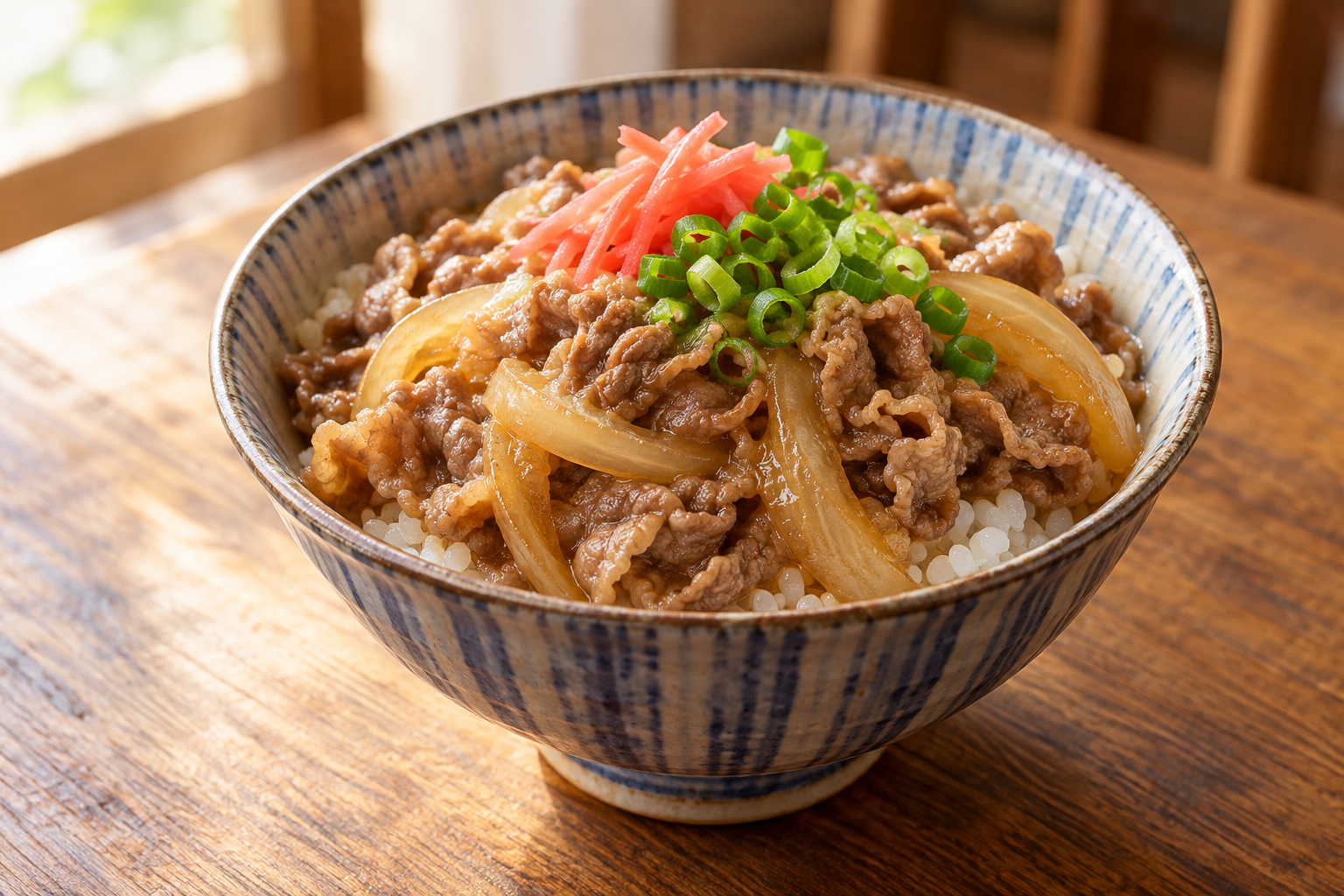
- oyakodon — chicken and egg
- gyudon — beef
- katsudon — pork cutlet and egg
- tendon — tempura
- seafood bowls
The advantage is obvious: rice and the main dish are combined into one bowl.
Want to make it at home? See the Oyakodon recipe section above →
What Do Japanese People Eat for Dinner?
Dinner is often the most substantial meal of the day.
That does not mean every family sits down together every night, but dinner still plays an important role in household eating.
11. Grilled Fish
Salmon, mackerel, horse mackerel and other fish are commonly grilled and served with rice.
A simple meal may consist of:
- grilled fish
- rice
- miso soup
- vegetables
This is one of the clearest examples of the traditional structure surviving in everyday life.
12. Nikujaga
Nikujaga literally means “meat and potatoes.”
Beef or pork is simmered with potatoes, onions and often carrots or shirataki noodles in a sweet-savory mixture typically based on soy sauce, sugar and mirin.
It is one of the dishes strongly associated with Japanese home cooking.
Want to make it at home? See the Nikujaga recipe section above →
13. Shogayaki
Shogayaki, or ginger pork, consists of thin slices of pork cooked in a ginger-flavored sauce.
It is frequently served with shredded cabbage and rice.
14. Karaage
Japanese-style fried chicken, known as karaage, is another household favorite.
It works equally well as dinner, part of a bento or a supermarket side dish.
15. Gyoza
Japanese pan-fried dumplings are another common dinner.
Although their origins lie in Chinese cuisine, gyoza have long been adapted to Japanese tastes and are firmly established in everyday eating.
One-Plate Meals Are Extremely Important
The image of multiple beautifully arranged small dishes can make Japanese home cooking look complicated.
But some of the most popular everyday meals are actually one-plate or one-bowl dishes.
16. Japanese Curry Rice
Japanese curry is one of the clearest examples.
It usually contains meat, potatoes, carrots and onions in a thick curry sauce served beside rice.
Commercial curry roux makes it relatively easy to cook at home.
Want to make it at home? See the easy Japanese Curry Rice recipe →
17. Hayashi Rice
Hayashi rice consists of beef and onions in a rich demi-glace-style sauce served with rice.
Like curry, it belongs to Japan’s large family of Western-influenced dishes.
18. Omurice
Omurice combines seasoned fried rice with an omelet.
Some versions are wrapped tightly in egg; others use a soft omelet placed over the rice.
Ketchup is a familiar accompaniment.
19. Yakisoba
Despite the name, yakisoba usually uses wheat noodles rather than buckwheat soba.
The noodles are stir-fried with vegetables, meat and a savory sauce.
20. Fried Rice
Japanese households also make chahan, or fried rice.
It is especially useful for turning leftover rice, eggs, vegetables and small amounts of meat into a quick meal.
Japanese Homes Also Eat “Western” Food
One of the biggest misconceptions about Japanese food is that Japanese people eat traditional Japanese dishes all the time.
They do not.
Japan has an entire culinary category called yoshoku — dishes with Western origins that evolved into distinctly Japanese forms.
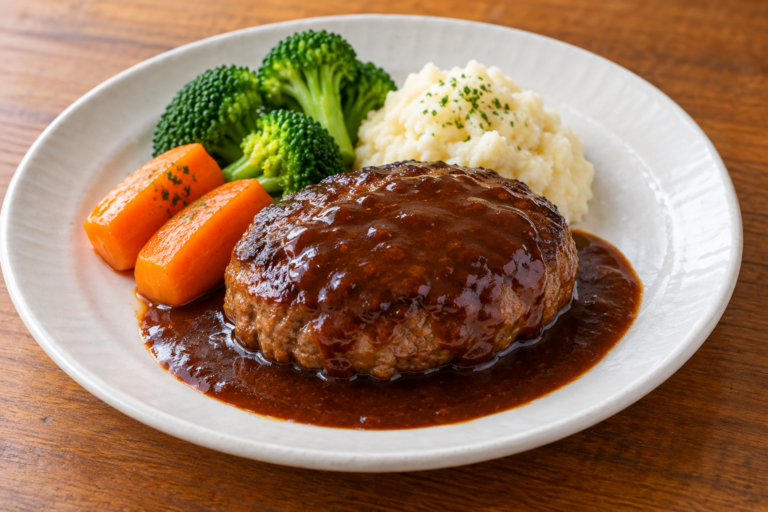
21. Hambagu
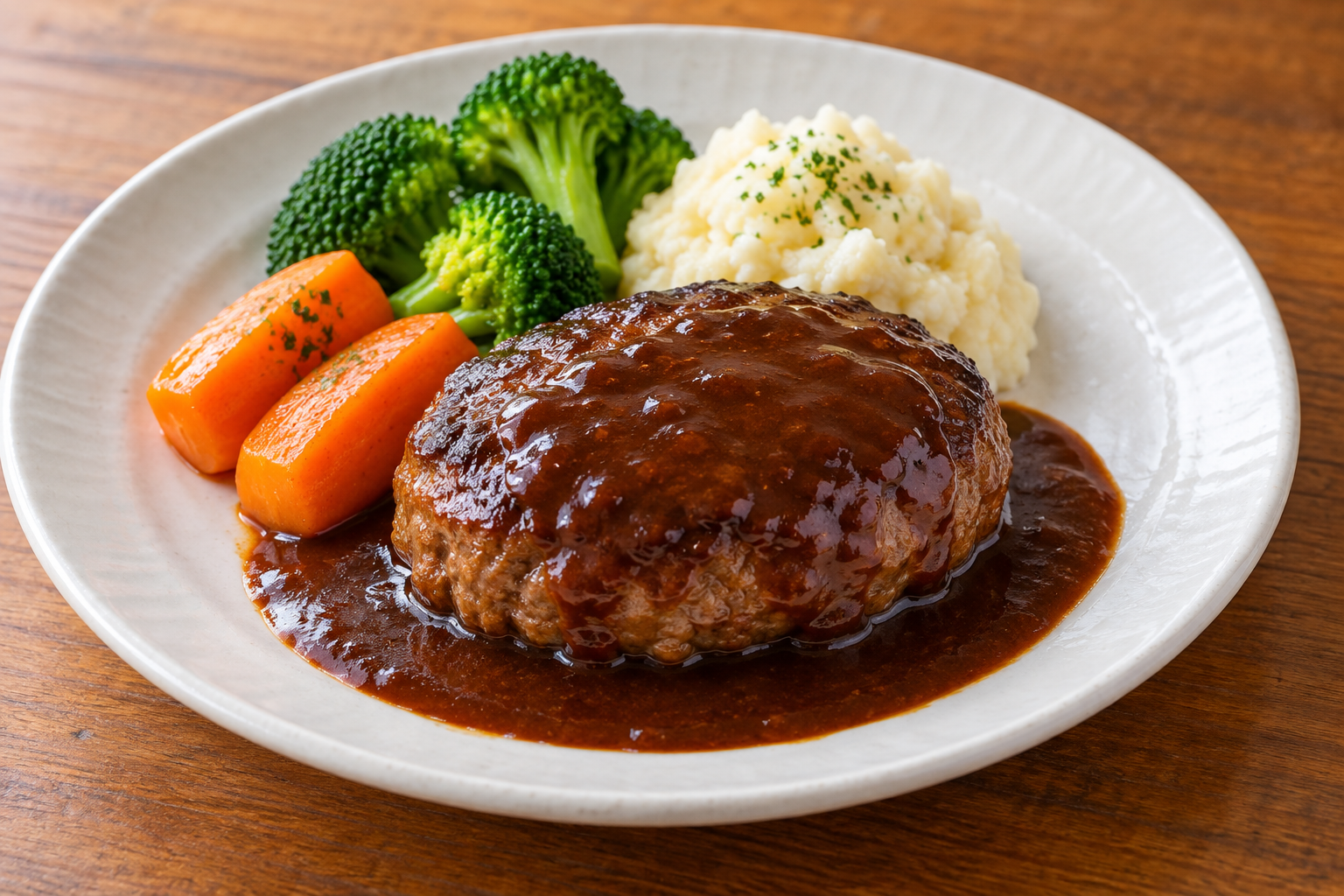
Hambagu is Japanese hamburger steak.
It is usually served without a bun, often with rice and vegetables.
Japanese versions commonly use a mixture of ground meat and breadcrumbs, producing a softer texture than many Western hamburger patties.
22. Korokke
Japanese korokke are croquettes, commonly made with mashed potatoes and minced meat before being breaded and fried.
They may be homemade, but buying them freshly fried from a supermarket or neighborhood shop is equally normal.
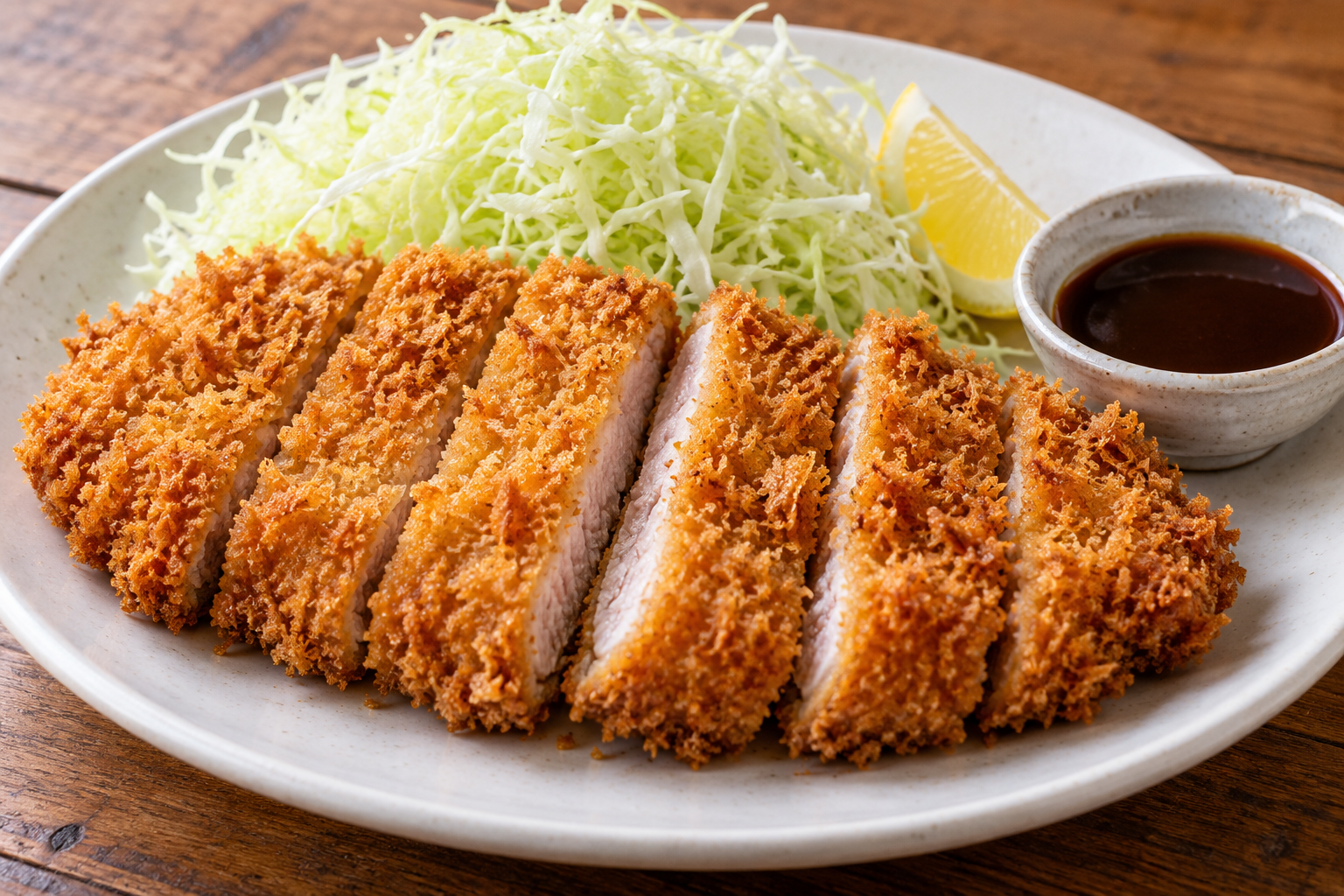
23. Tonkatsu
A breaded pork cutlet may look Western at first glance, but tonkatsu is thoroughly integrated into Japanese eating.
It is commonly paired with shredded cabbage, rice, miso soup and pickles.
24. Pasta
Spaghetti is completely ordinary in Japanese homes.
Popular versions include meat sauce, cream-based pasta and uniquely Japanese adaptations such as mentaiko pasta.
Napolitan, made with a ketchup-based sauce, is another classic Japanese interpretation of Western pasta.
25. Cream Stew
Japanese cream stew is a mild white stew typically containing chicken, potatoes, carrots and onions.
It is especially associated with cooler weather and family meals.
What About Sushi and Ramen?
Of course Japanese people eat sushi and ramen.
But the important distinction is how they are eaten.
Sushi is commonly associated with restaurants, conveyor-belt sushi chains, takeout, celebrations and supermarket prepared-food sections.
Some forms, such as hand-rolled temaki sushi, are also prepared at home.
Ramen is similarly popular, but a restaurant bowl of ramen is more often an eat-out meal than a typical home-cooked dinner.
At home, people may prepare packaged fresh noodles or instant ramen instead.
So sushi and ramen are absolutely part of Japanese life — they simply do not represent the whole everyday home table.
Convenience Is Part of Modern Japanese Food Culture
Japanese home eating cannot really be understood without supermarkets and convenience stores.
A household dinner does not necessarily mean that every dish was cooked at home from raw ingredients.
A person might cook rice and miso soup but buy:
- karaage
- korokke
- grilled fish
- salad
- simmered vegetables
- gyoza
- sashimi
from a supermarket.
This combination of homemade and prepared food is part of modern everyday eating.
It also explains why asking “What do Japanese people cook?” and asking “What do Japanese people eat at home?” are not quite the same question.
Seasonal Eating Still Matters
Japan’s food culture has a strong relationship with the seasons.
Spring brings ingredients such as bamboo shoots and mountain vegetables.
Summer menus often become lighter and may include cold noodles.
Autumn is associated with mushrooms, chestnuts and sweet potatoes.
Winter brings hot pots, stews and warming soups.
Traditional celebrations also have their own foods. Zoni with mochi and osechi are strongly associated with New Year.
Modern households may not follow every tradition, but seasonality remains highly visible in supermarkets, restaurants and home cooking.
What an Actual Week of Japanese Home Meals Might Look Like
Rather than imagining a single “typical Japanese dinner,” it is more useful to imagine variety across a week.
Monday
Grilled salmon, rice, miso soup and spinach
Tuesday
Japanese curry rice and salad
Wednesday
Gyoza, rice and vegetable soup
Thursday
Nikujaga with rice and pickles
Friday
Pasta and salad
Saturday
Oyakodon
Sunday
Hot pot shared at the table
That mixture is perhaps more representative of contemporary Japanese eating than seven nights of elaborate traditional washoku.
The Real Japanese Home Table Is More Diverse Than It Looks
So, what do Japanese people actually eat at home?
The shortest answer is:
A little bit of everything — but adapted to Japanese ingredients, tastes and eating habits.
Rice, miso soup, fish and vegetables remain deeply rooted in Japanese food culture.
But modern home cooking also includes curry rice, hamburg steak, pasta, dumplings, bread, supermarket foods and quick one-bowl meals.
That is what makes the Japanese home table interesting.
It is not frozen in tradition.
It keeps absorbing new foods while retaining familiar ingredients, seasonings and ways of eating.
And if you really want to understand Japanese food, the ordinary dinner table may tell you more than the sushi counter ever could.
Editorial Note:
This article was developed using research from Japanese public sources and an AI-assisted editorial workflow. Content is reviewed and edited for clarity and accuracy. Some images on Japanese Home Table may be AI-generated.
2 Comments
Comments are closed.