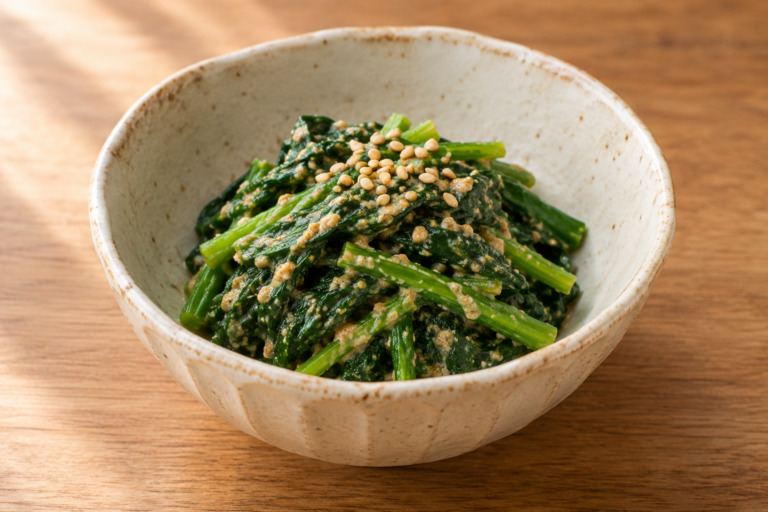
Easy Japanese Mapo Tofu Recipe (Mabo Dofu)
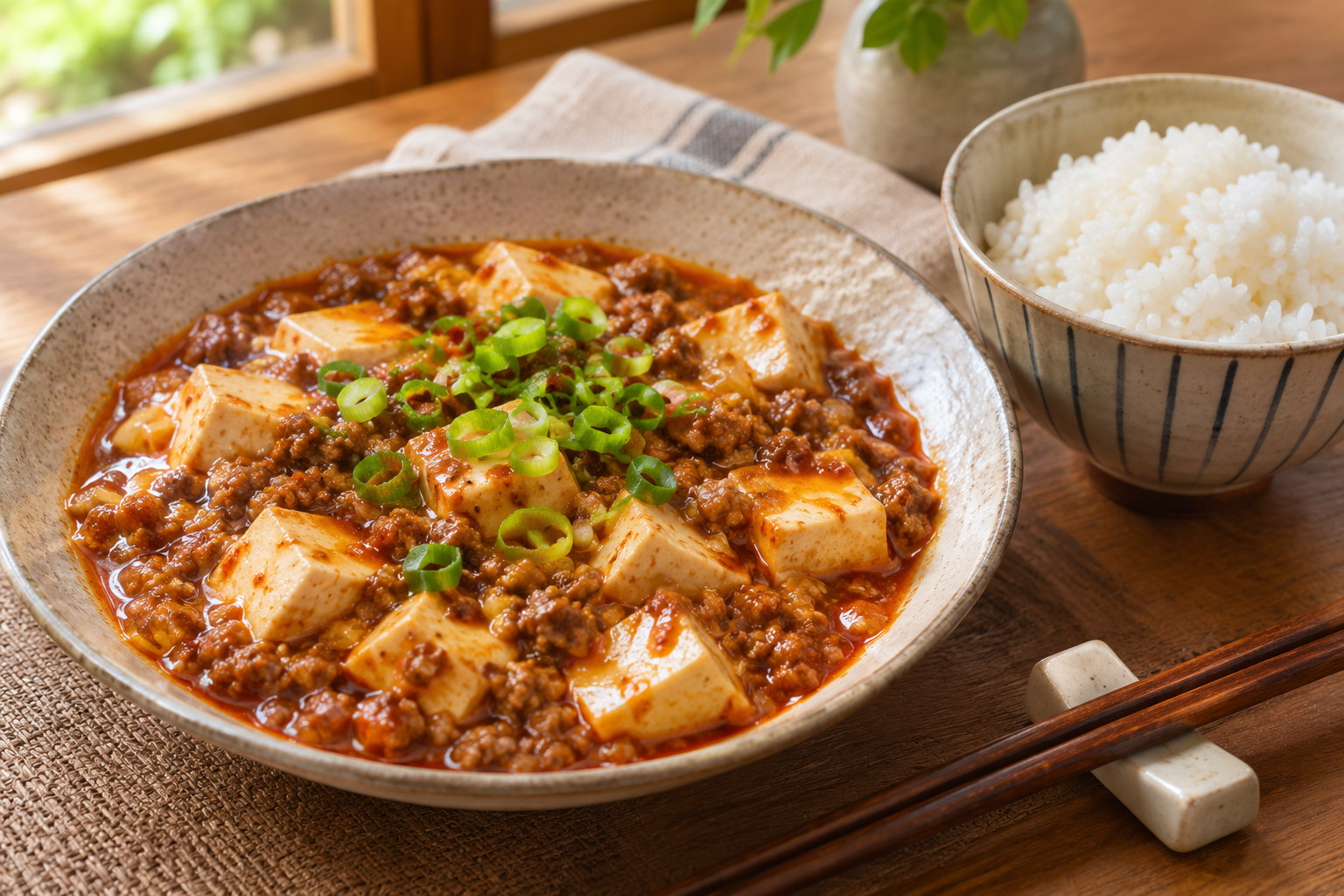
Japanese mabo dofu is a milder, slightly sweeter home-style version of mapo tofu. Soft tofu and savory ground pork simmer in a glossy ginger-garlic sauce that is flavorful without overwhelming heat, making it an easy weeknight dish for beginners.
Recipe at a Glance
- Serves: 4
- Prep time: 15 minutes
- Cook time: 15 minutes
- Total time: 30 minutes
- Difficulty: Beginner
Ingredients
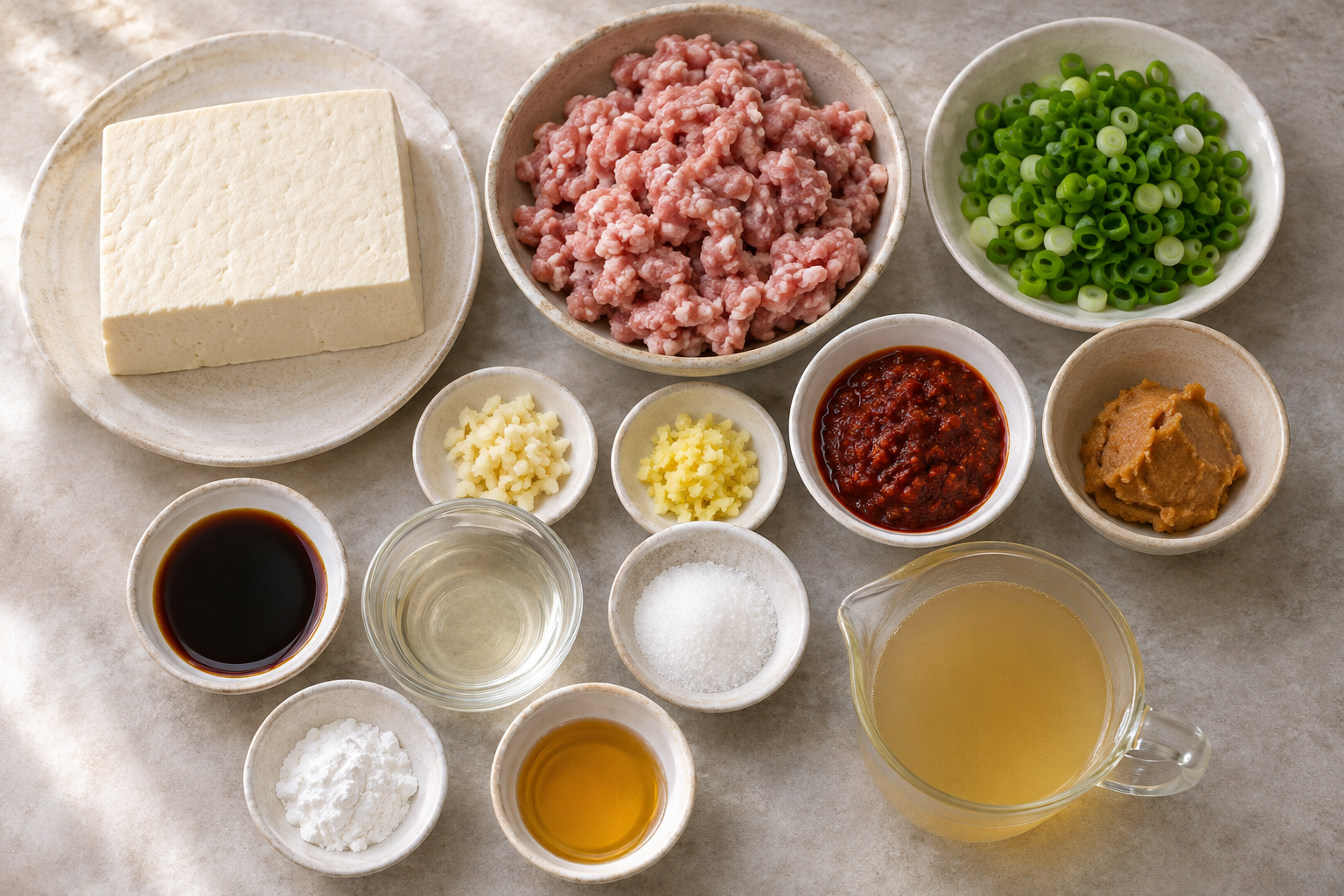
- 14 oz (400 g) medium-firm or firm tofu
- 7 oz (200 g) ground pork
- 1 tablespoon neutral oil
- 2 scallions, white and green parts separated
- 2 teaspoons grated fresh ginger
- 1 small garlic clove, grated
- 1 teaspoon doubanjiang, plus more to taste
- 1 tablespoon red or white miso
- 1 tablespoon soy sauce
- 1 tablespoon sake or water
- 1 teaspoon sugar
- 1 cup (240 ml) unsalted chicken stock or water
- 2 teaspoons cornstarch
- 1 tablespoon cold water
- 1 teaspoon toasted sesame oil
- Steamed Japanese rice, for serving
How to Make Japanese Mabo Dofu
1. Prepare the tofu and sauce
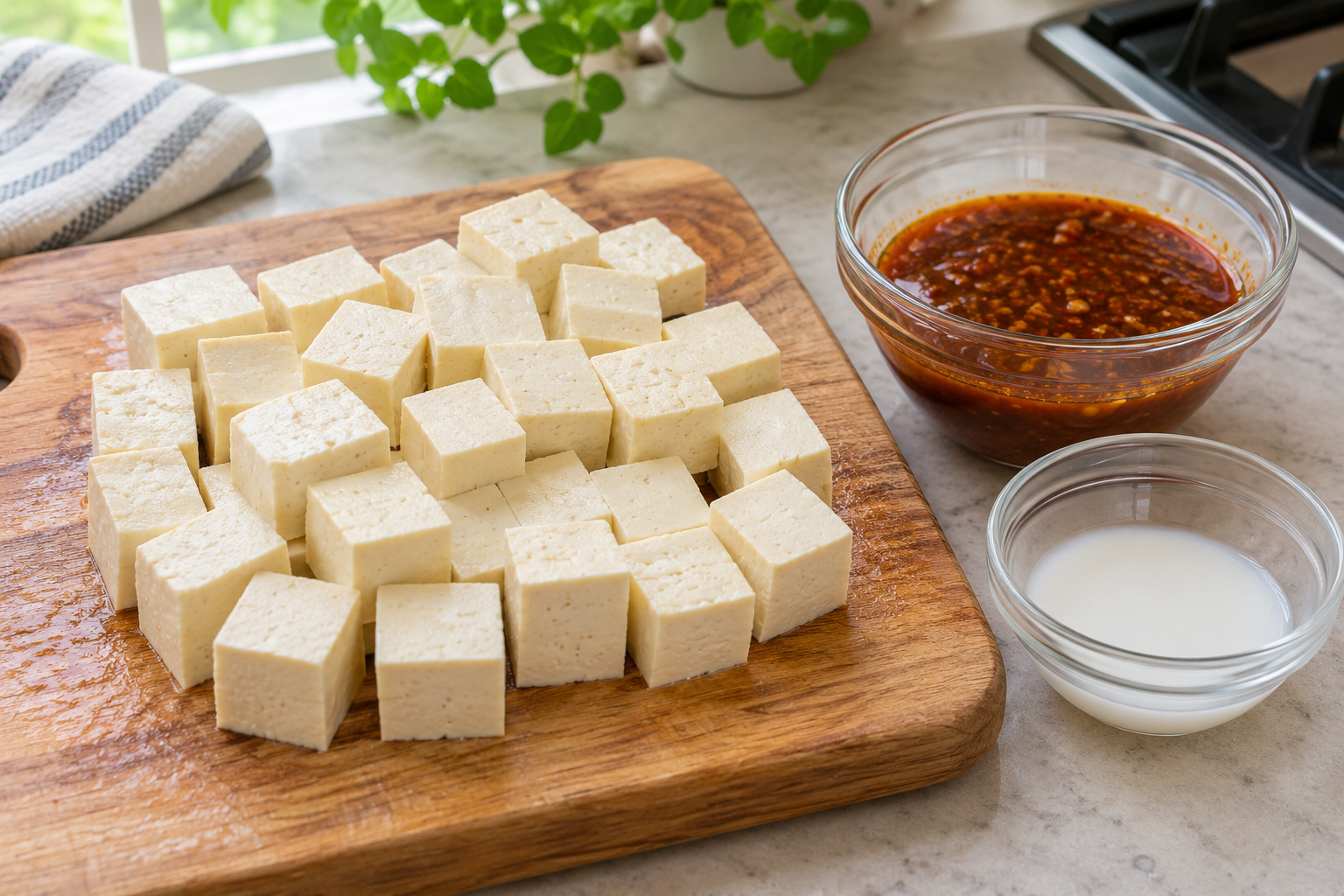
Drain the tofu and cut it into 3/4-inch cubes. In a small bowl, whisk together the doubanjiang, miso, soy sauce, sake and sugar. In a separate cup, mix the cornstarch with 1 tablespoon cold water.
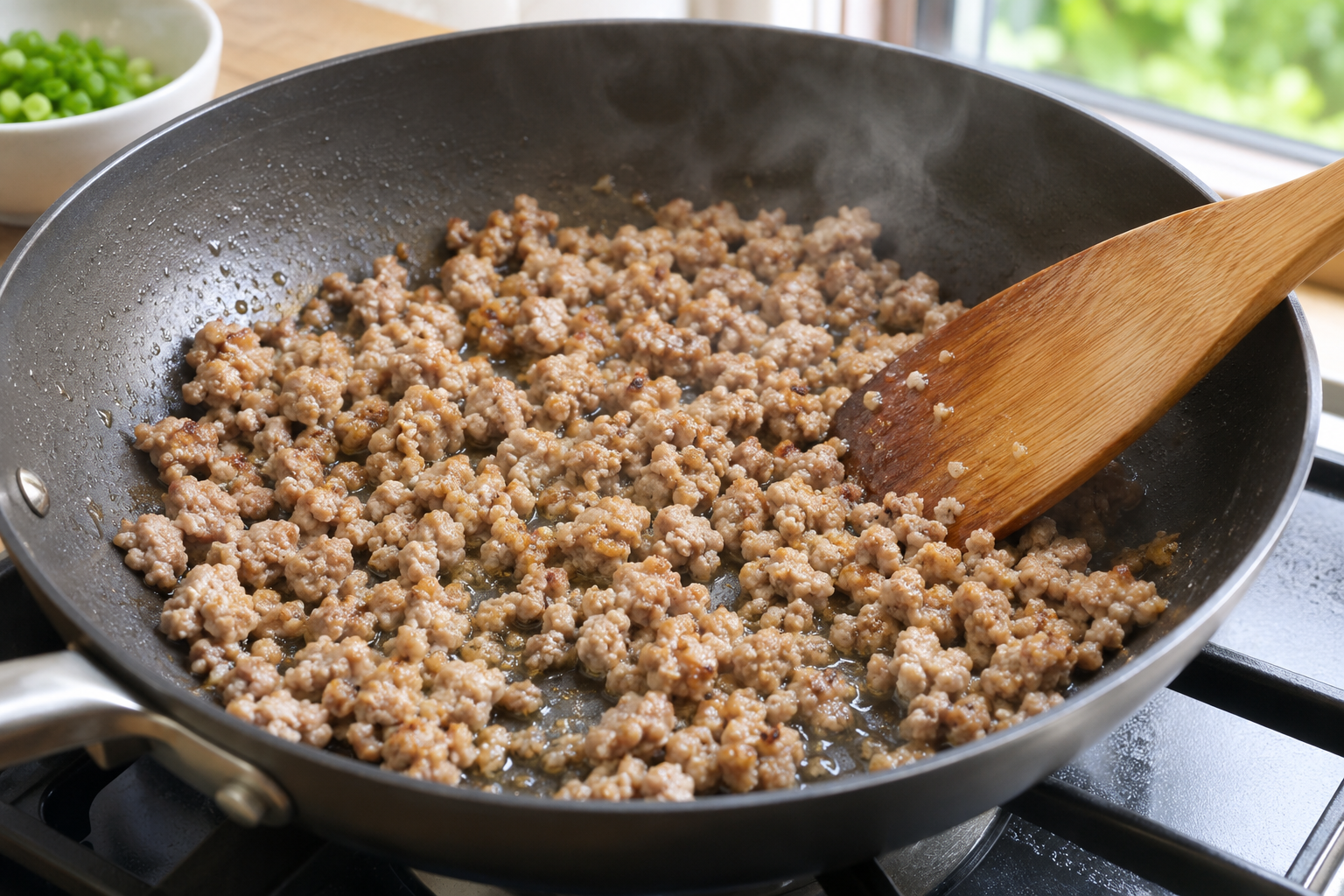
2. Brown the pork
Heat the neutral oil in a wide skillet over medium-high heat. Add the pork and cook for 3 to 4 minutes, breaking it into small pieces, until browned and no pink remains.
3. Add the aromatics and seasonings
Add the scallion whites, ginger and garlic and stir for 30 seconds. Add the prepared sauce and cook for another 30 seconds, stirring so it coats the pork without burning.
4. Simmer the tofu gently
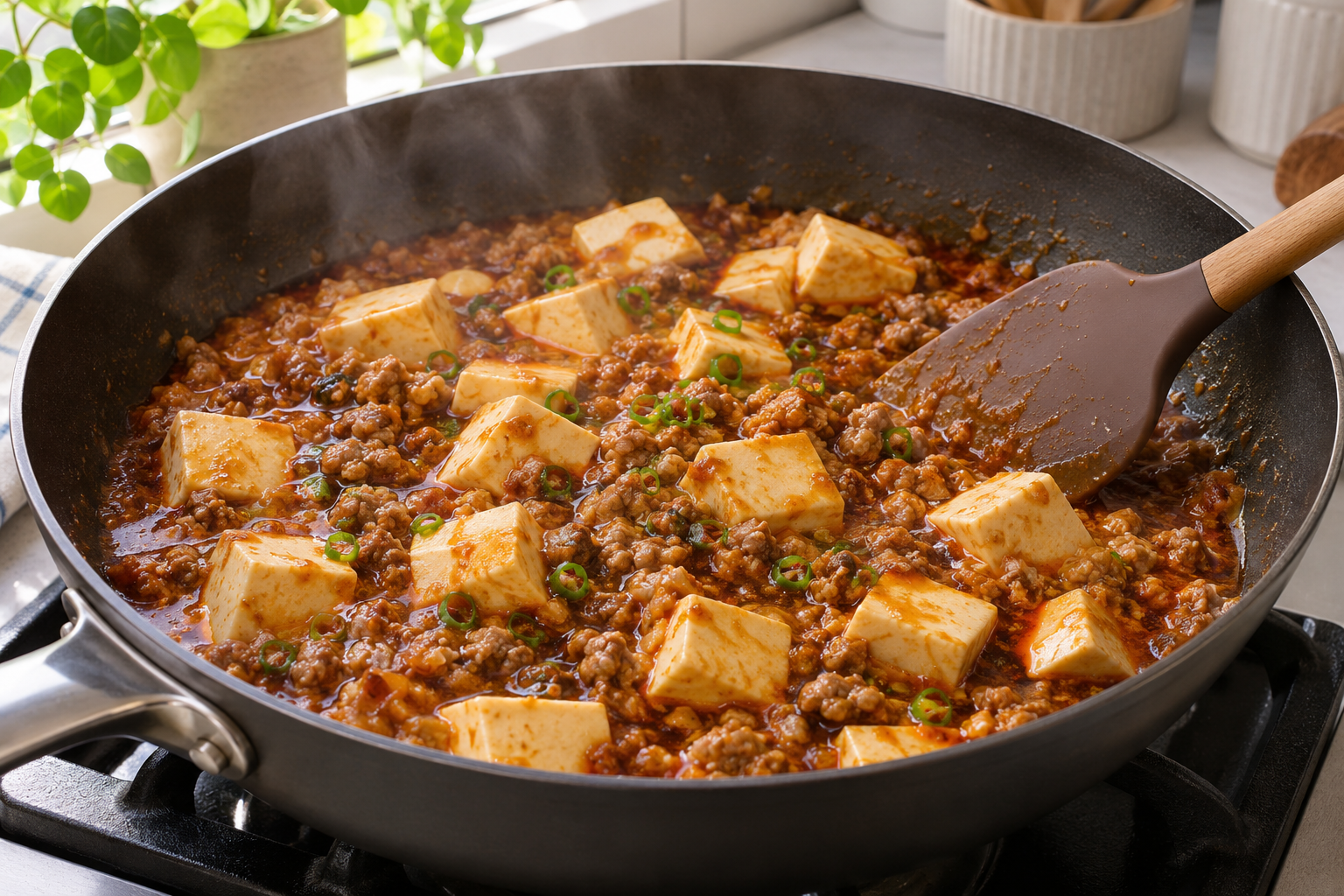
Pour in the stock and bring it to a gentle simmer. Add the tofu and move it carefully with a silicone spatula so the cubes stay intact. Simmer for 4 minutes.
5. Thicken the sauce
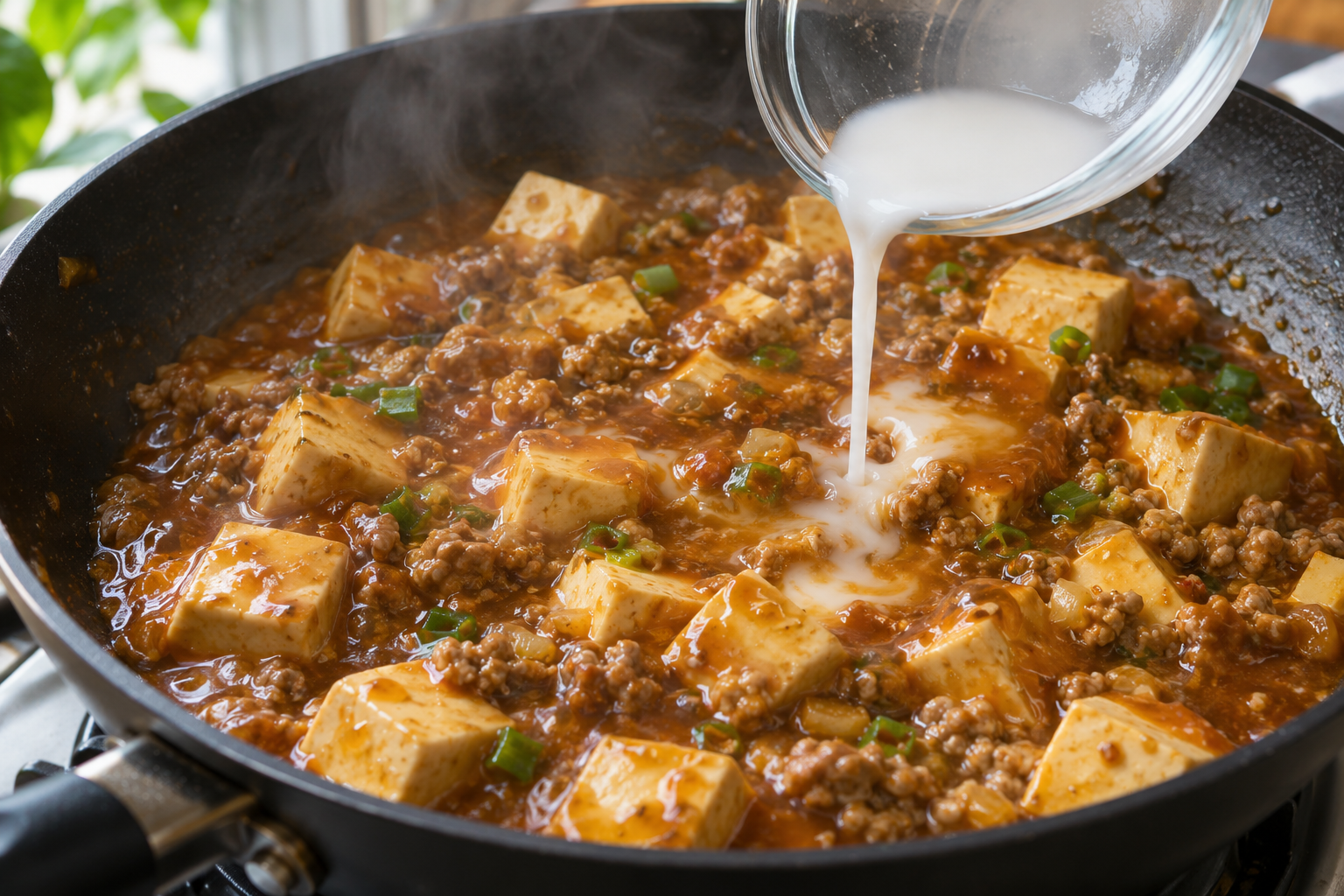
Stir the cornstarch slurry again, then drizzle it into the simmering sauce while gently stirring. Cook for 1 to 2 minutes until glossy and thick enough to coat the tofu. Turn off the heat and add sesame oil.
6. Serve with rice
Sprinkle with scallion greens and serve immediately with steamed rice. Add a little extra doubanjiang or chili oil at the table for diners who want more heat.
What Makes Japanese Mapo Tofu Different?
Japanese mabo dofu is usually less numbing and less oily than Sichuan mapo tofu. Miso, sugar and a modest amount of doubanjiang create a balanced sweet-savory sauce. This version does not use Sichuan peppercorns, although you can add a pinch at the table if you enjoy their citrusy numbing flavor.
Beginner Tips
- Choose medium-firm tofu for a tender texture that still holds its shape.
- Drain the tofu, but do not press it heavily.
- Mix the sauce and slurry before cooking because the recipe moves quickly.
- Brown the pork well before adding liquid for deeper flavor.
- Stir with a broad silicone spatula and fold gently around the tofu.
- Always remix cornstarch slurry immediately before adding it.
- Let the sauce boil gently for at least 1 minute after adding the slurry.
Substitutions
- **Ground pork:** Use ground chicken, turkey or plant-based mince.
- **Doubanjiang:** Use chili bean sauce with a similar ingredient list; start with less because salt and heat vary.
- **Miso:** Red miso gives deeper flavor, while white miso makes a sweeter, milder sauce.
- **Chicken stock:** Use water or unsalted vegetable stock.
- **Firm tofu:** Medium tofu is softer; extra-firm tofu is easier to handle but less silky.
Common Problems and Fixes
Why did the tofu break apart?
It may have been too soft or stirred too vigorously. Use medium-firm or firm tofu and fold the sauce around the cubes with a wide spatula.
Why is the sauce watery?
The slurry may have settled or the sauce may not have simmered long enough. Remix the slurry, add it gradually and simmer for 1 to 2 minutes.
Why is the dish too salty?
Doubanjiang, miso and soy sauce all contain salt. Use unsalted stock and measure the seasonings carefully. Dilute with a little water if necessary.
How do I know the pork is cooked?
Cook ground pork until no pink remains and it reaches 160°F (71°C). See the USDA safe minimum internal temperature chart.
Storage and Reheating
Cool leftovers promptly and refrigerate in an airtight container for up to 3 days. Reheat gently in a saucepan or microwave until steaming hot, adding a tablespoon of water if the sauce becomes too thick. Freezing is not recommended because tofu changes texture and releases water after thawing.
What to Serve with Mabo Dofu
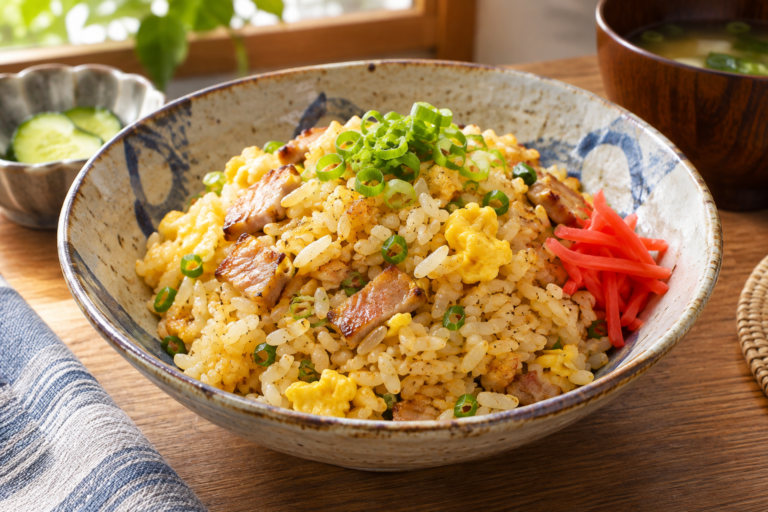
Serve it over rice with Japanese gyoza or a simple cucumber salad. For another fast rice-friendly dish, try Japanese chahan or chicken teriyaki. Find the core seasonings in our Japanese pantry essentials guide.
Frequently Asked Questions
Is Japanese mabo dofu spicy?
It is usually mild to medium. Start with 1 teaspoon doubanjiang and let diners add chili oil at the table.
Can I make it vegetarian?
Yes. Use finely chopped mushrooms or plant-based mince and vegetable stock. Check that your miso and chili bean sauce meet your dietary needs.
Which tofu is best?
Medium-firm tofu gives the best balance of tenderness and durability. Firm tofu is easiest for beginners.
Can I make the sauce ahead?
Yes. Mix the seasoning sauce up to 2 days ahead and refrigerate it. Make the cornstarch slurry immediately before cooking.
Have You Tried This Recipe?
Leave a comment and tell us which tofu firmness and spice level worked best for you.