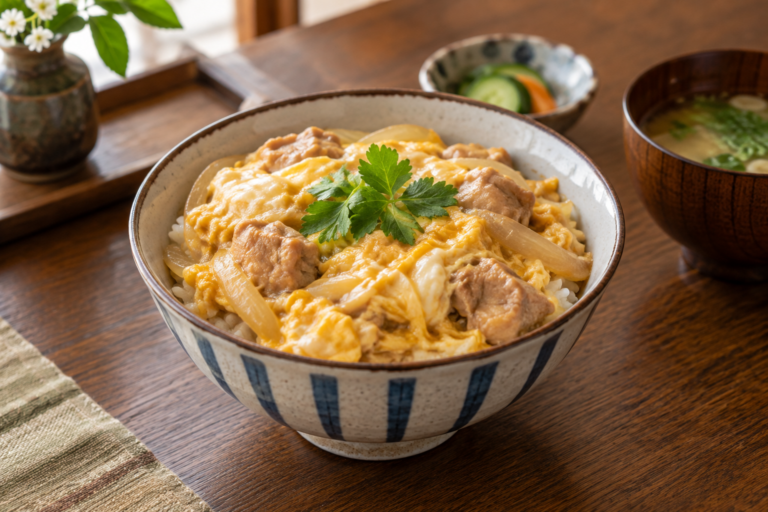
Easy Salmon Onigiri Recipe (Japanese Rice Balls)
Onigiri are Japanese rice balls that turn a few everyday ingredients into a portable meal. This version encloses fully cooked salmon in lightly salted Japanese short-grain rice and adds crisp nori just before serving. It is a practical first onigiri recipe because the filling is easy to prepare and the triangular shape does not need to be perfect.
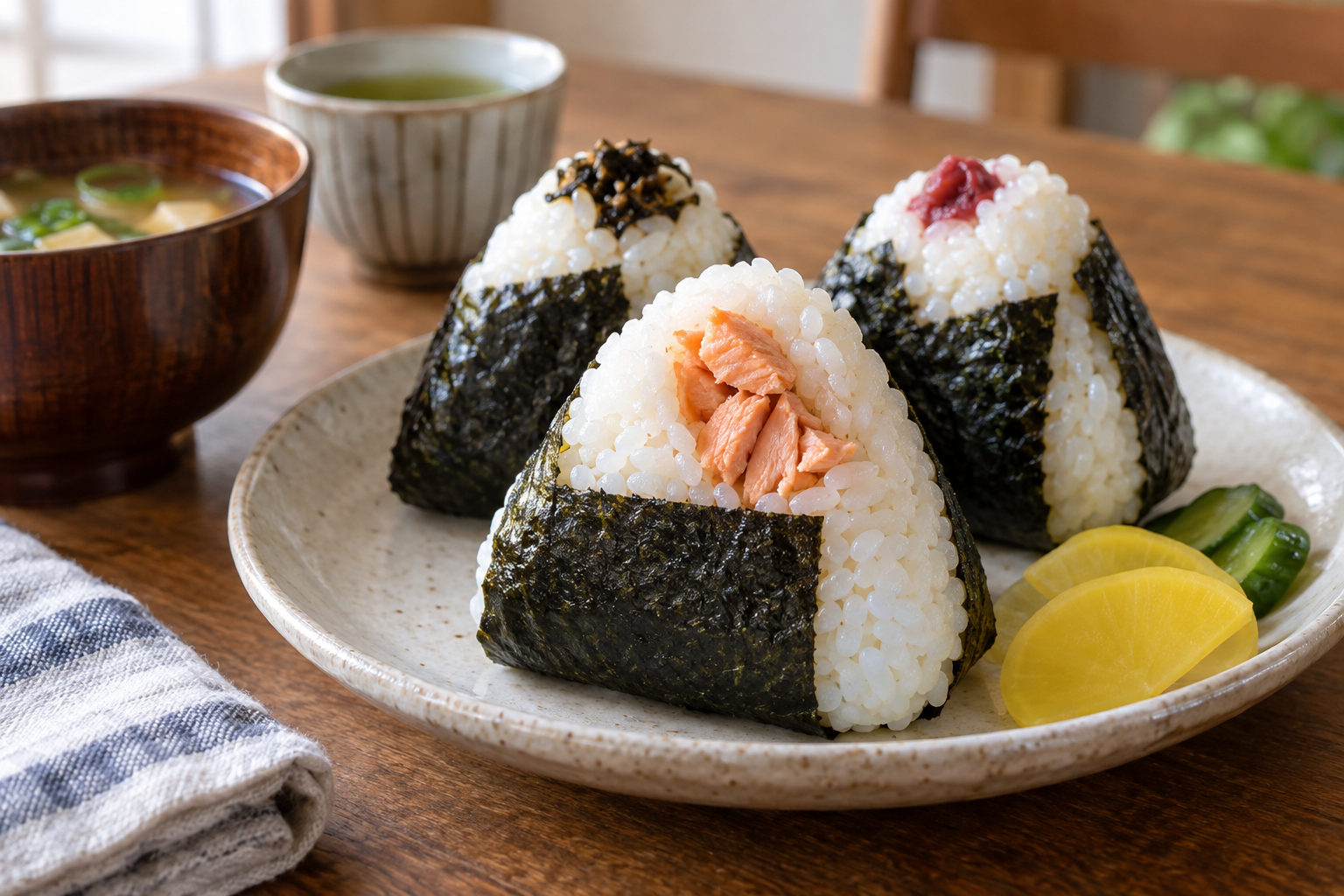
The step images are AI-generated illustrations of the cooking stages. Follow the written instructions and food-safety guidance when preparing the recipe.
Recipe at a Glance
- Makes: 4 onigiri, about 2 servings
- Prep time: 15 minutes with cooked rice and salmon ready
- Cook time: 0 minutes with cooked ingredients ready
- Total time: 15 minutes
Ingredients
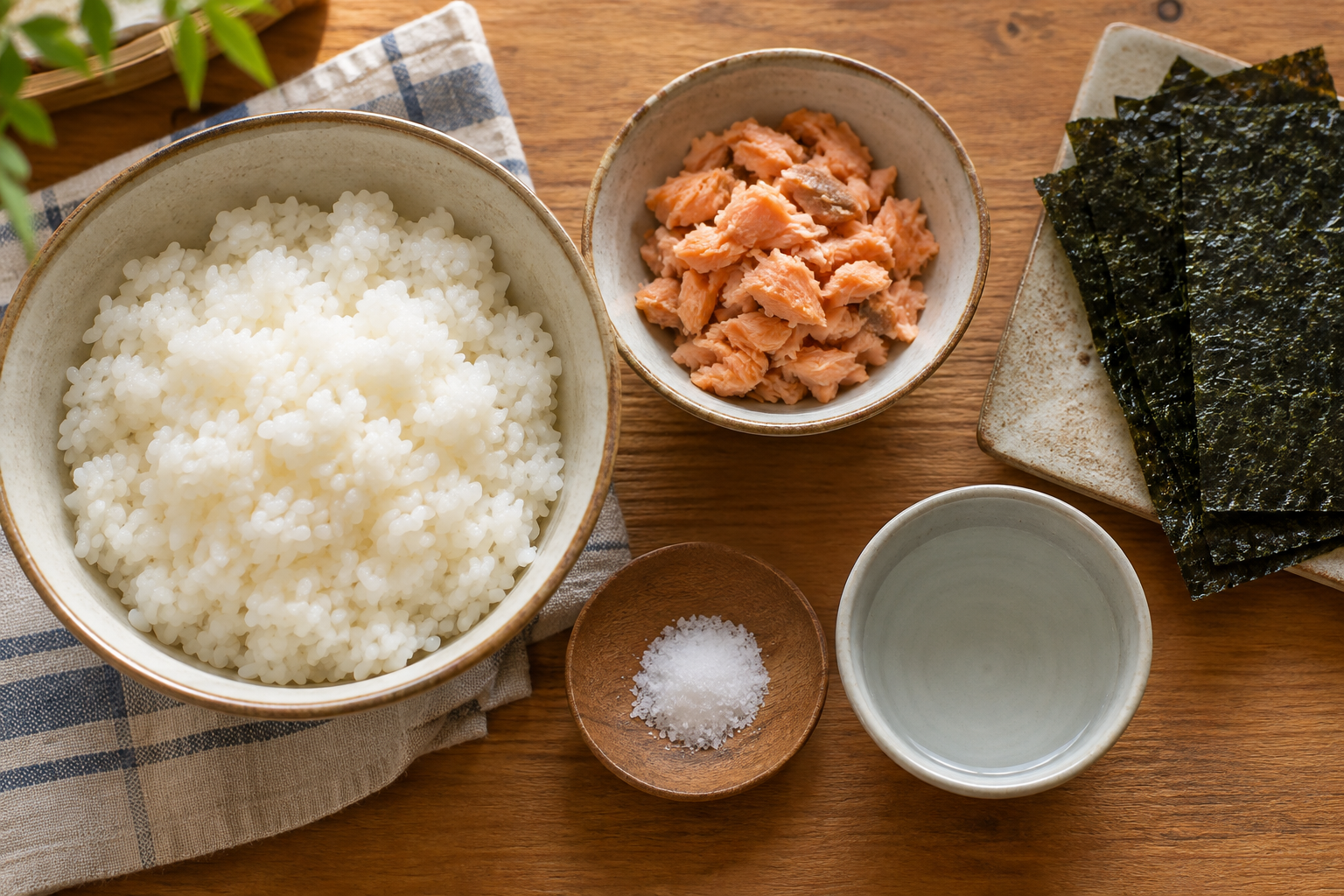
- 2 cups (about 340 g) freshly cooked Japanese short-grain rice
- 3 oz (about 85 g) fully cooked salmon, flaked and checked for bones
- 1/4 teaspoon fine salt, divided, or to taste
- 2 nori sheets, cut into 4 strips
- Small bowl of clean water for your hands
If cooking rice from dry grains, allow additional time according to your rice cooker or package directions. Do not use raw or partially cooked salmon in this recipe.
How to Make Salmon Onigiri
1. Prepare the rice and filling
Let freshly cooked rice cool just enough to handle safely while it is still warm. Divide it into four equal portions. Break the fully cooked salmon into small flakes and remove any bones.
2. Wet and salt your hands
Wash your hands. Lightly wet both palms and rub a small pinch of salt over them. The water helps prevent sticking; avoid soaking your hands or making the rice soggy.
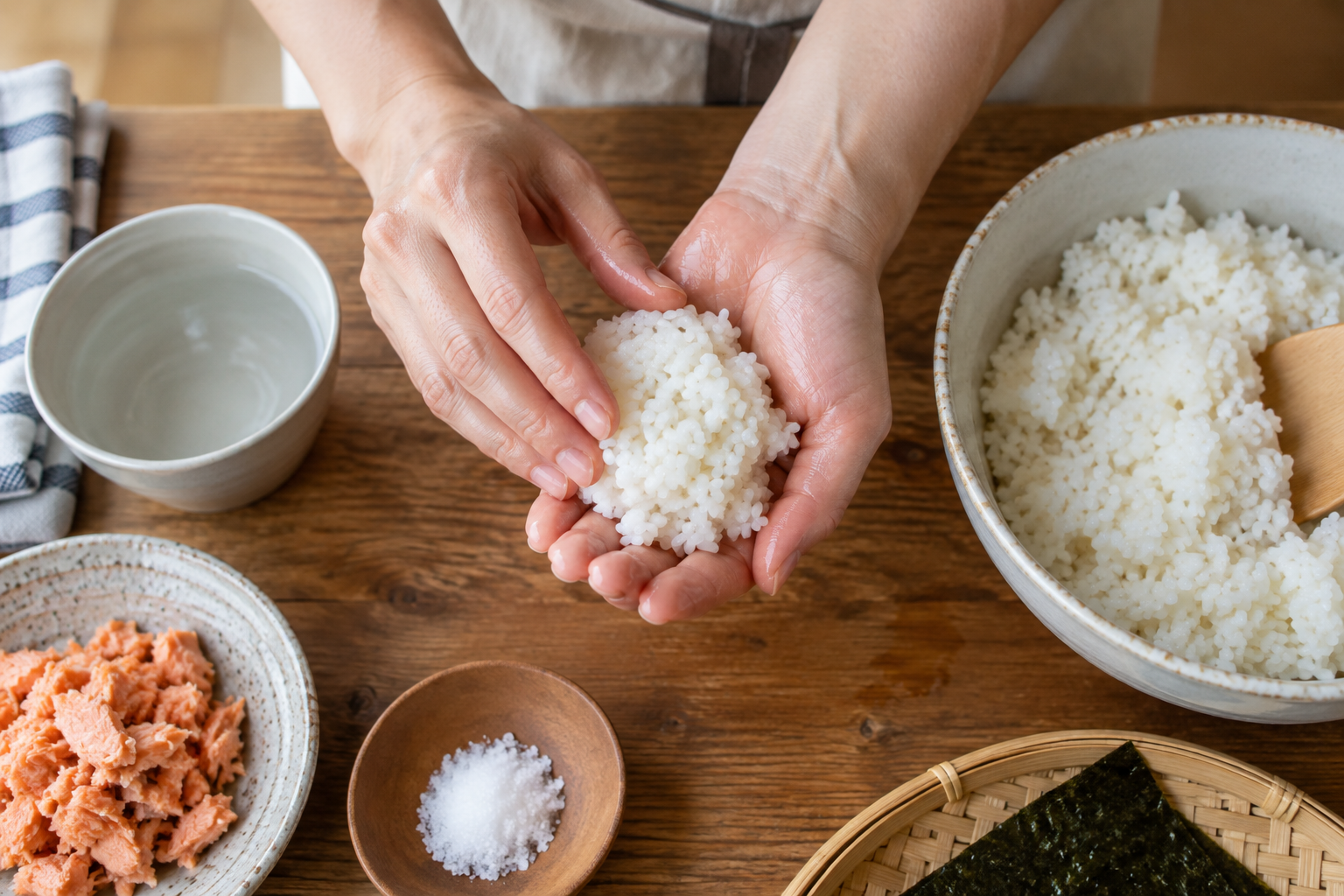
3. Add the salmon
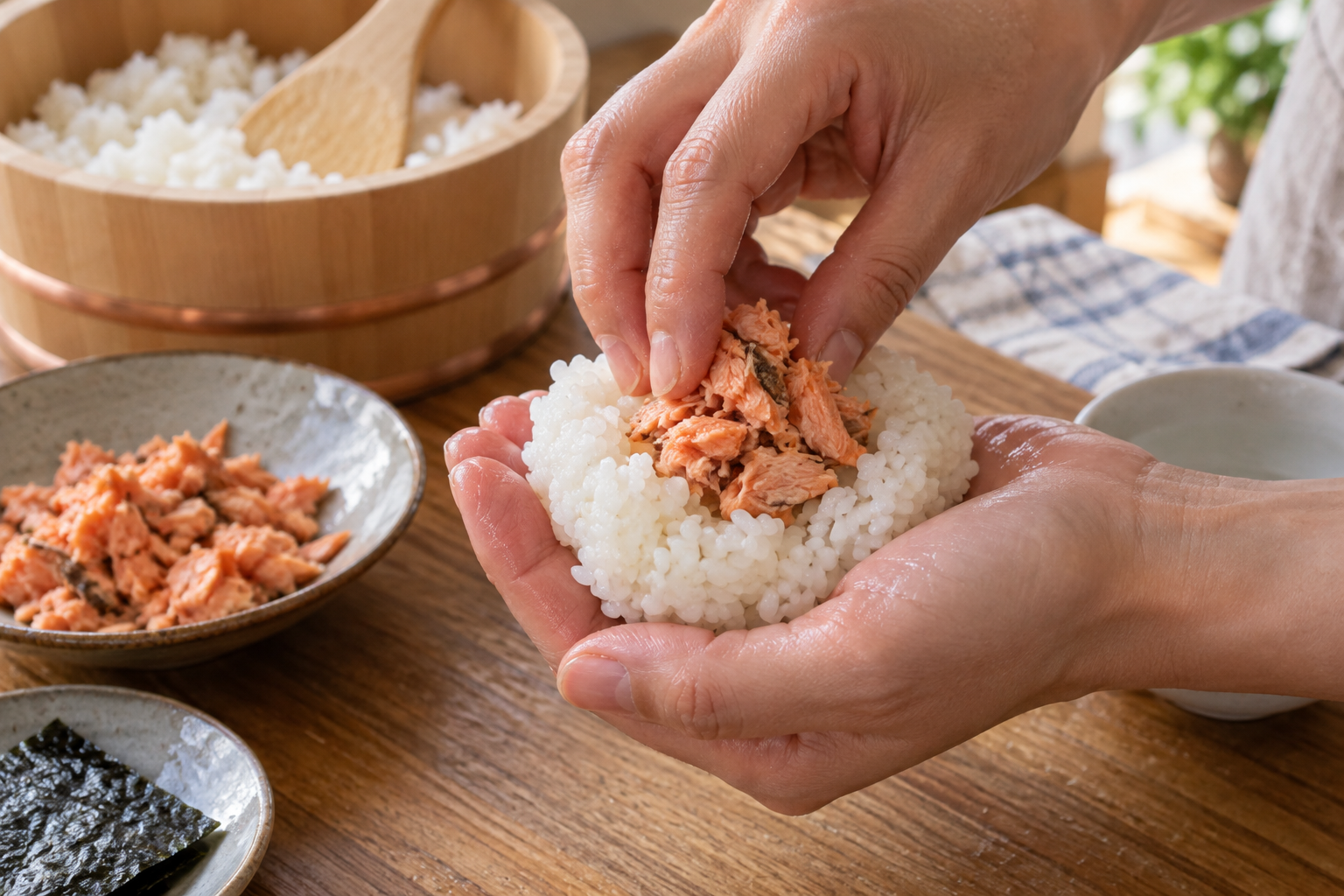
Place one portion of rice in your palm and make a shallow hollow in the center. Add about one quarter of the salmon, then cover it with the surrounding rice so the filling is enclosed.
4. Shape gently
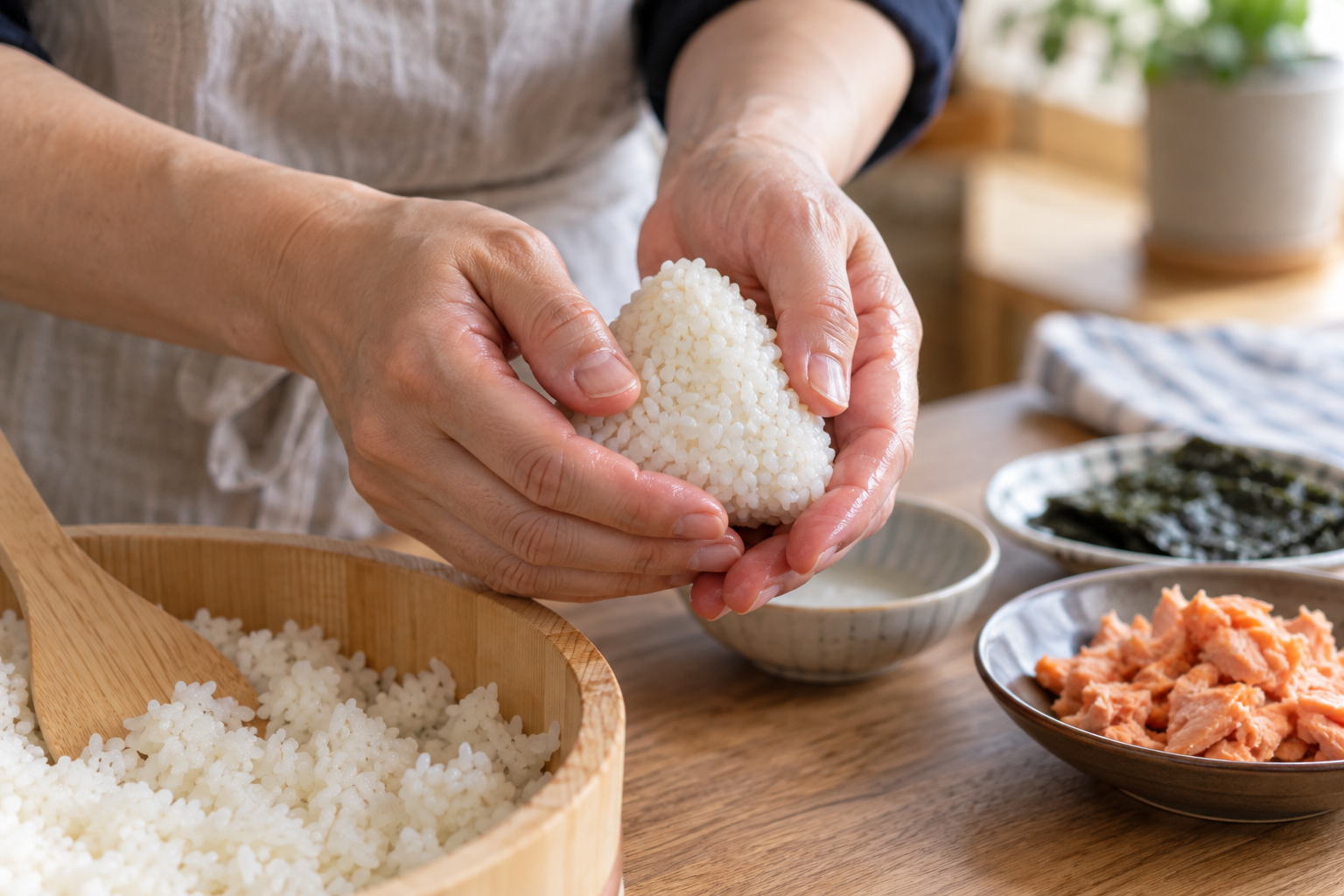
Cup one hand over the other and rotate the rice two or three times, pressing only enough to hold it together. Shape a loose triangle, a round ball or a cylinder. Do not squeeze hard; the rice should remain tender.
5. Add nori and serve
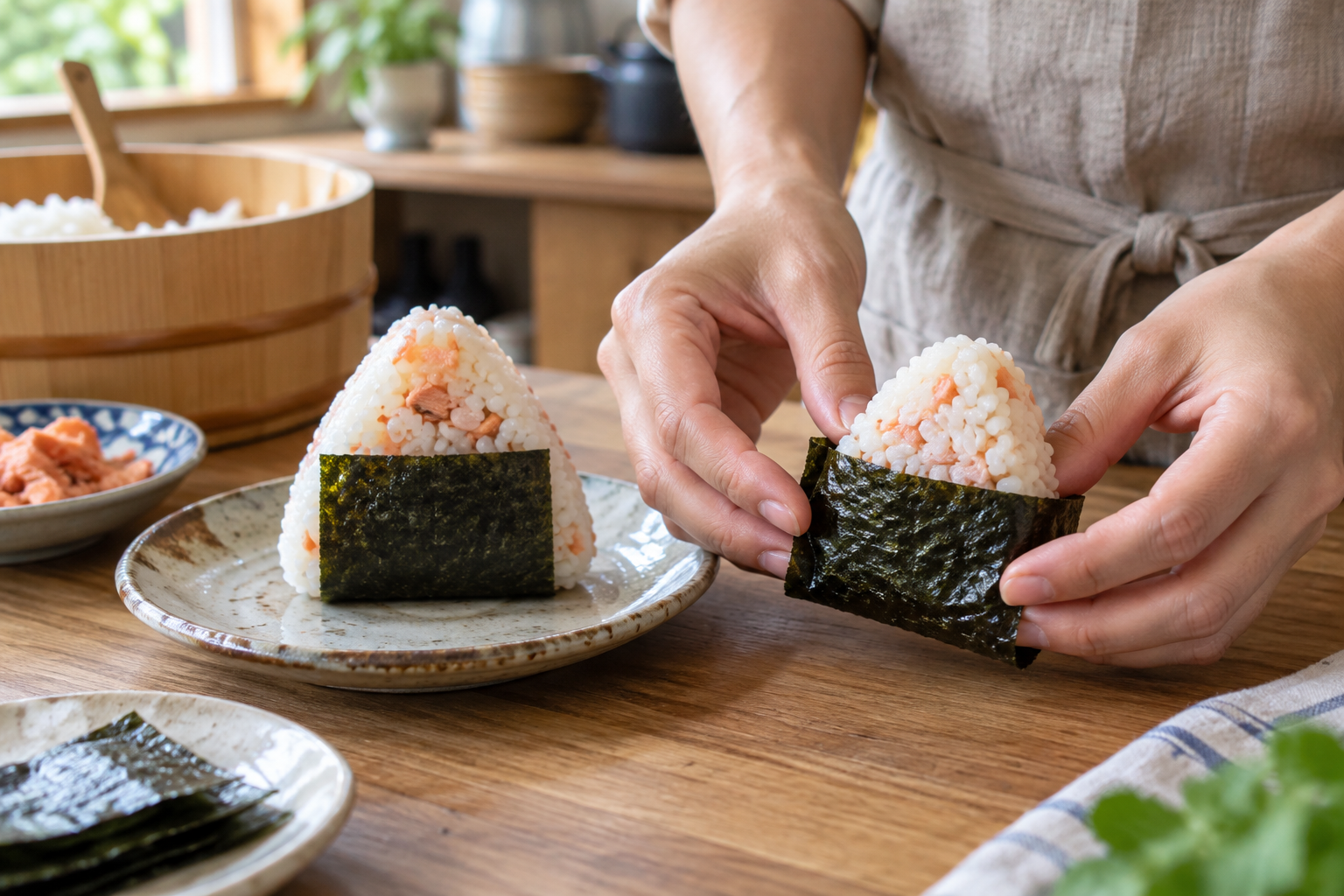
Wrap a nori strip around the base of each onigiri just before eating to keep it crisp. Repeat with the remaining rice and salmon.
Tips for First-Time Cooks
- Use Japanese short-grain rice. Its natural stickiness holds the shape without crushing the grains.
- Work with warm rice, not piping-hot rice that could burn your hands.
- If rice sticks, rewet your hands lightly.
- If the ball falls apart, add a little more rice around the filling and press gently once more.
- A round onigiri tastes just as good as a triangle.
Substitutions and Variations
No salmon
Try a small amount of drained canned tuna mixed with a little mayonnaise, or use an umeboshi pickled plum. Keep moist fillings modest so the rice holds together.
No nori
Leave it off. The rice ball is still onigiri. Sesame seeds or furikake can add flavor, but check labels for allergens.
No short-grain rice
Medium-grain rice can work. Long-grain rice tends not to bind as reliably and is not ideal for a beginner's first attempt.
Serving Ideas
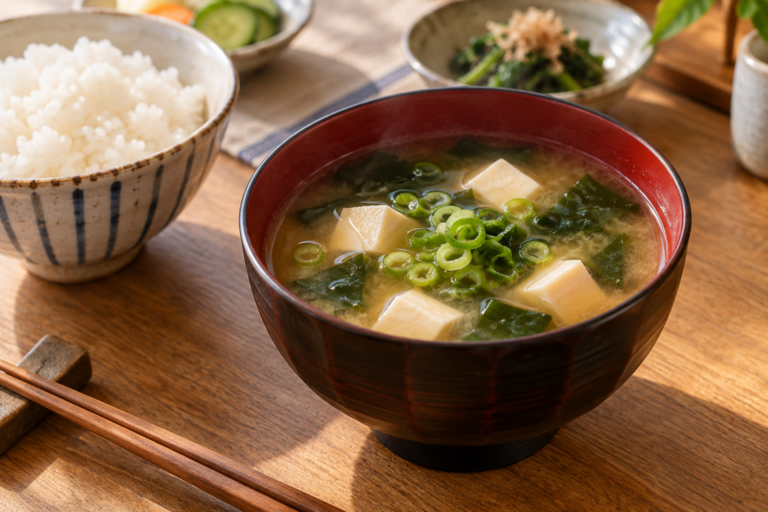
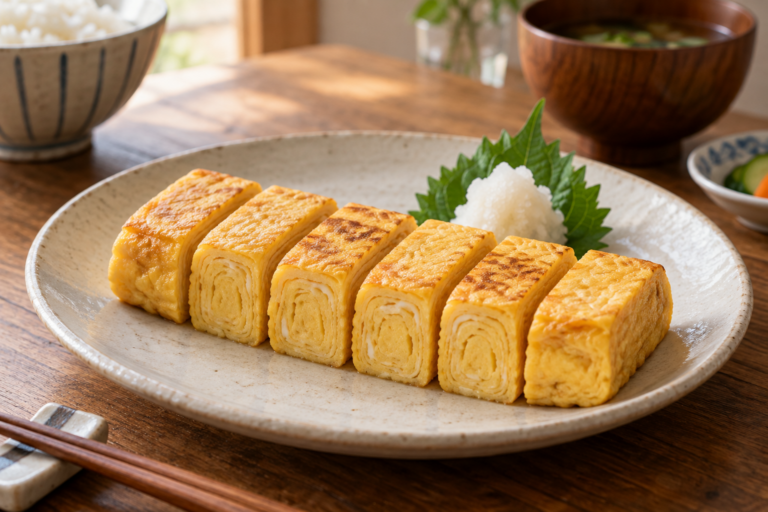
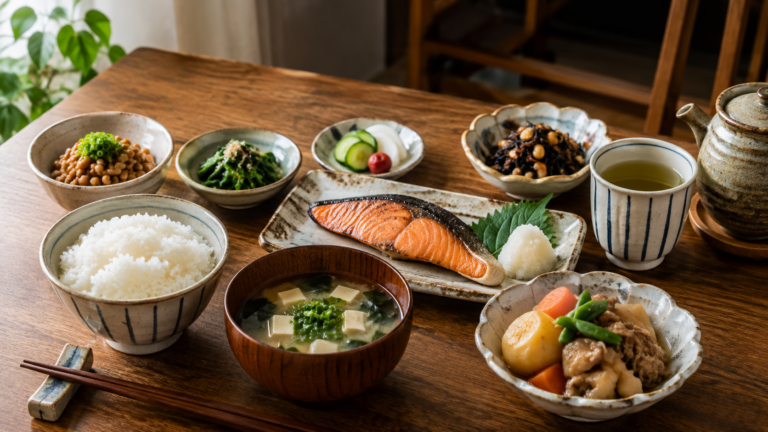
Pair onigiri with miso soup or tamagoyaki for a simple Japanese home-style lunch. For a fuller meal, see what Japanese people actually eat at home.
The Japanese Ministry of Agriculture, Forestry and Fisheries' onigiri guide describes salmon and other classic fillings.
Storage and Food Safety
Onigiri is best eaten soon after shaping. If saving it, refrigerate promptly in a sealed container and eat within 24 hours for best quality. Keep the nori separate until serving. Cooked rice and fish are perishable: FoodSafety.gov advises refrigerating them within 2 hours, or within 1 hour above 90°F (32°C). Do not leave homemade onigiri unrefrigerated in a warm lunch bag; use an insulated bag with ice packs.
Frequently Asked Questions
Can I use leftover rice?
Yes, if it was refrigerated promptly and stored safely. Reheat until hot, then let it cool enough to handle before shaping.
Why does my onigiri fall apart?
The rice may be too dry, the grains may be the wrong type, or the filling may be too large. Use warm short-grain rice and a small amount of filling.
Should the salmon be cooked?
Yes. This beginner recipe uses fully cooked salmon. Check it for bones before adding it to the rice.
Can I make onigiri without a mold?
Yes. Damp hands are all you need. A mold can help with uniformity, but it is optional.
Did you try this recipe? Leave a comment with your filling choice or shaping question to help other first-time cooks.
Build Your Japanese Pantry
Not sure which rice, miso, soy sauce or dashi to buy outside Japan? Start with our practical guide to the 12 most useful staples.