Easy Nikujaga Recipe: Japanese Beef and Potato Stew
Nikujaga is one of Japan’s best-loved home-cooked dishes: tender potatoes, thinly sliced beef, onions and carrots simmered in a gently sweet soy-and-dashi broth. This beginner-friendly recipe shows you exactly what each stage should look like.
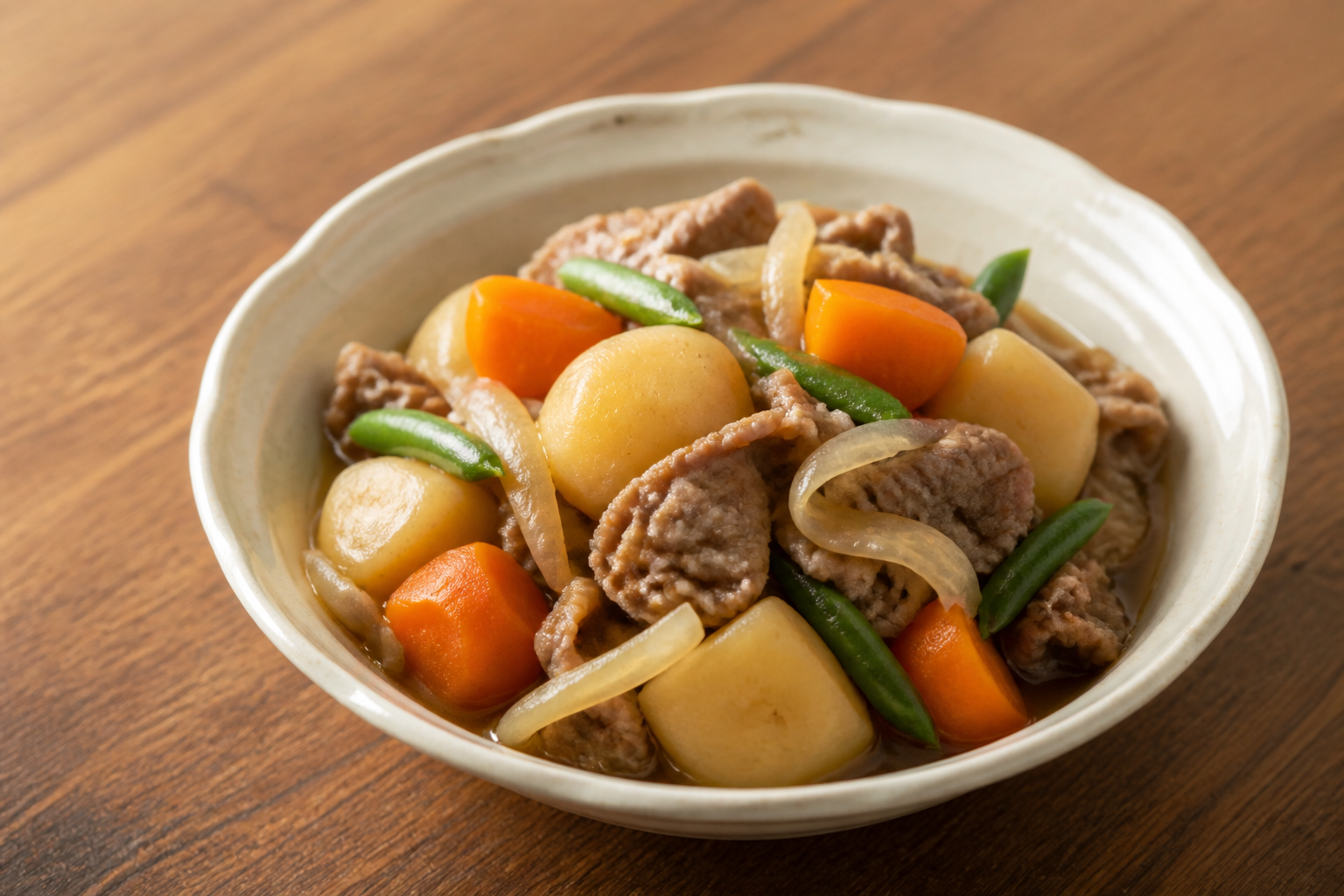
Serves: 4 Prep: 15 minutes Cook: 30 minutes Total: 45 minutes
What Is Nikujaga?
The name combines niku (meat) and jagaimo (potatoes). Unlike a thick Western stew, nikujaga is simmered in a light broth seasoned with soy sauce, mirin and sugar. It is everyday comfort food rather than restaurant food—the kind of dish many Japanese families serve with rice, miso soup and a simple vegetable side.
Ingredients
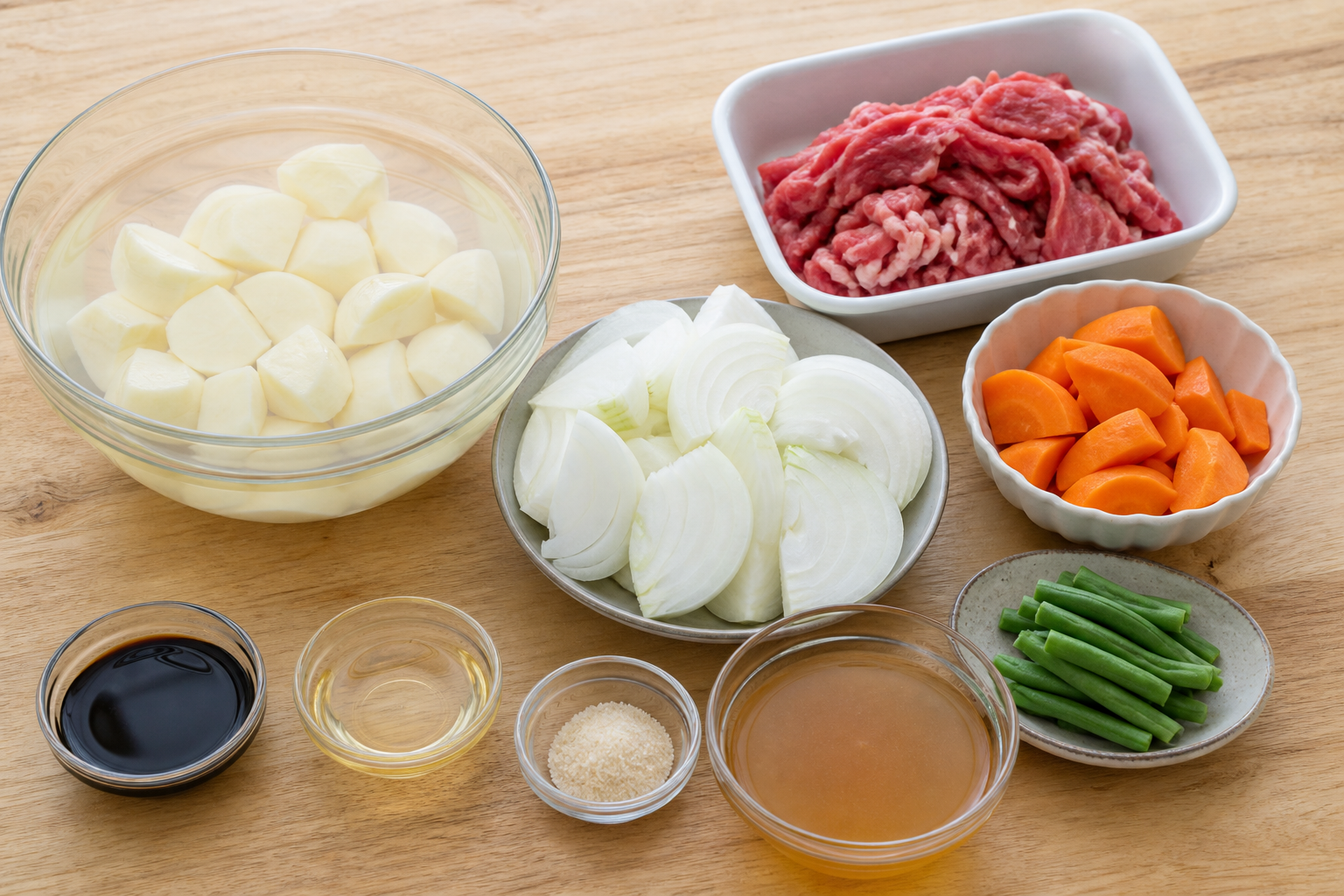
- 300 g thinly sliced beef (or pork)
- 600 g potatoes, peeled and cut into large bite-size pieces
- 1 large onion, cut into wedges
- 1 medium carrot, cut into chunks
- 100 g shirataki noodles, drained and rinsed (optional)
- 8 green beans, trimmed and cut into 4 cm pieces
- 1 tablespoon neutral cooking oil
- 400 ml dashi stock
- 4 tablespoons soy sauce
- 3 tablespoons mirin
- 2 tablespoons sugar
- 1 tablespoon sake (optional)
Ingredient Substitutions
- Beef: Use thinly sliced pork, chicken thigh or firm tofu.
- Dashi: Use instant dashi, kombu stock or unsalted chicken stock.
- Mirin: Replace each tablespoon with 1 tablespoon water plus 1 teaspoon sugar.
- Shirataki: Omit it if unavailable; the dish will still be authentic and satisfying.
How to Make Nikujaga
1. Prepare the Ingredients
Cut the potatoes into similar-size pieces and soak them in cold water for 5 minutes to remove excess surface starch. Drain well. Cut the onion and carrot, rinse the shirataki, and briefly boil the green beans until bright green.
2. Brown the Beef and Onion
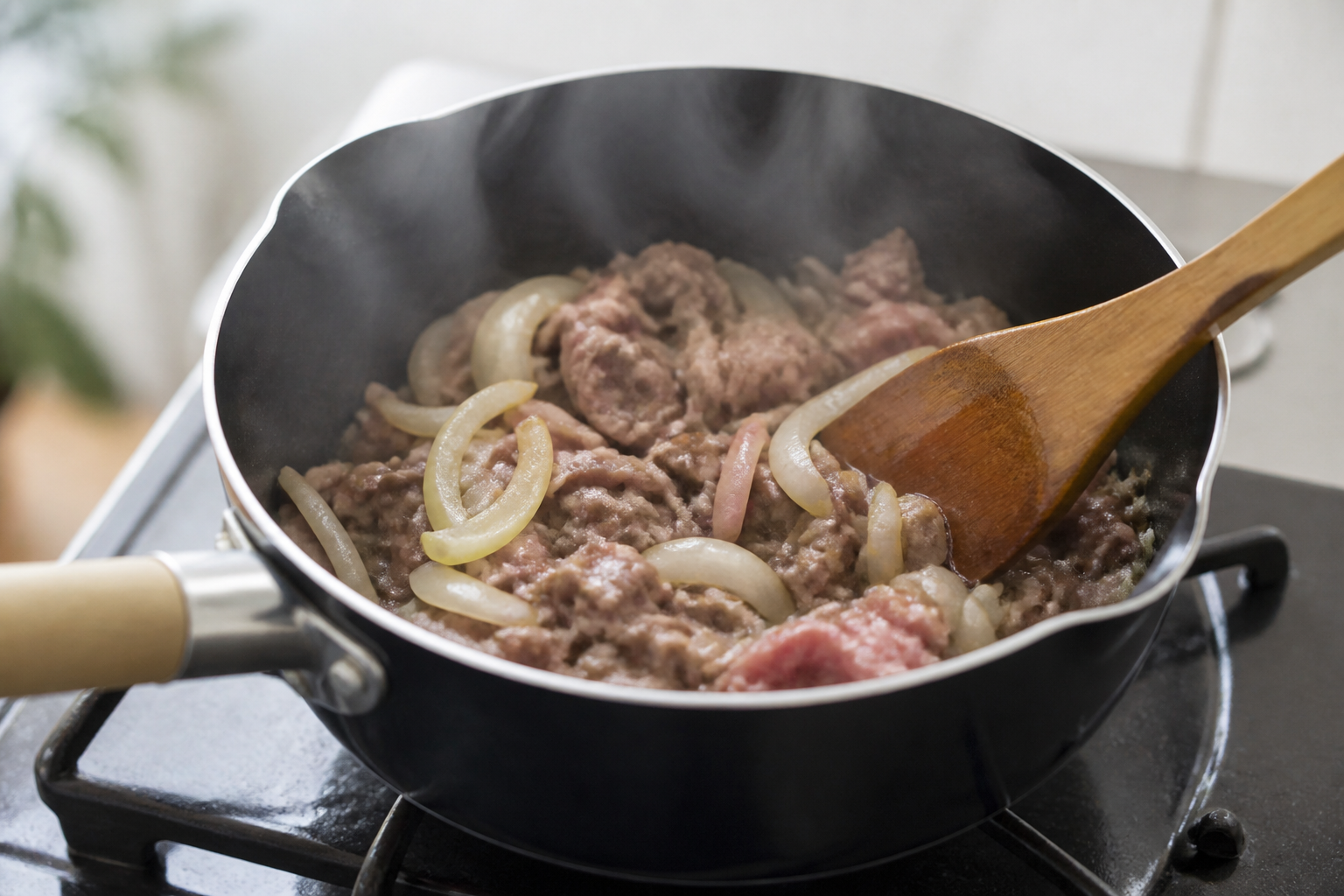
Heat the oil in a medium pot over medium heat. Add the beef and onion. Cook for 2–3 minutes, separating the slices, until the beef is mostly browned and the onion begins to soften. Do not cook the beef until dry.
3. Add the Vegetables
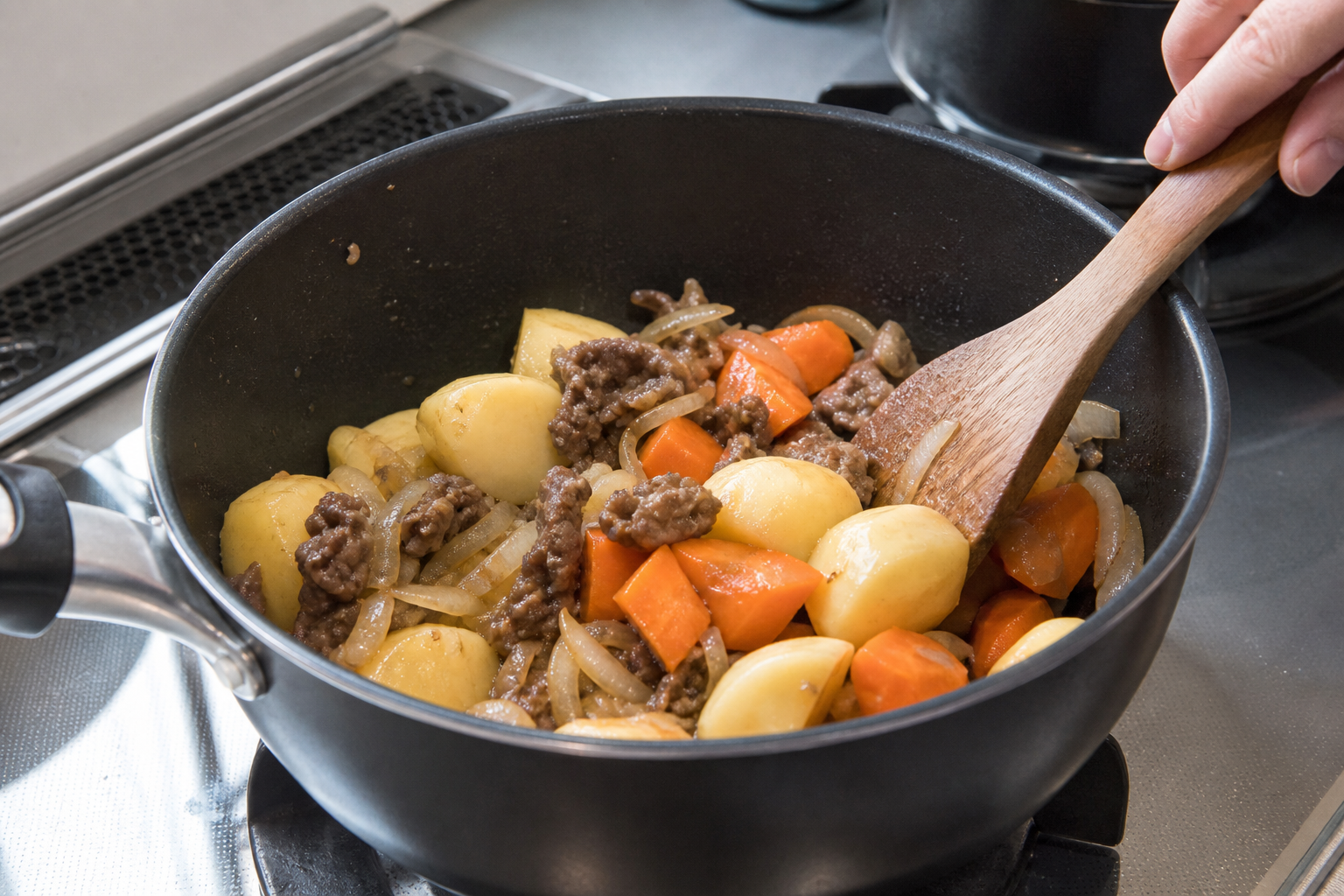
Add the potatoes, carrot and shirataki. Stir gently for about 1 minute so the vegetables are lightly coated with oil and the savory juices from the beef.
4. Add the Broth and Simmer
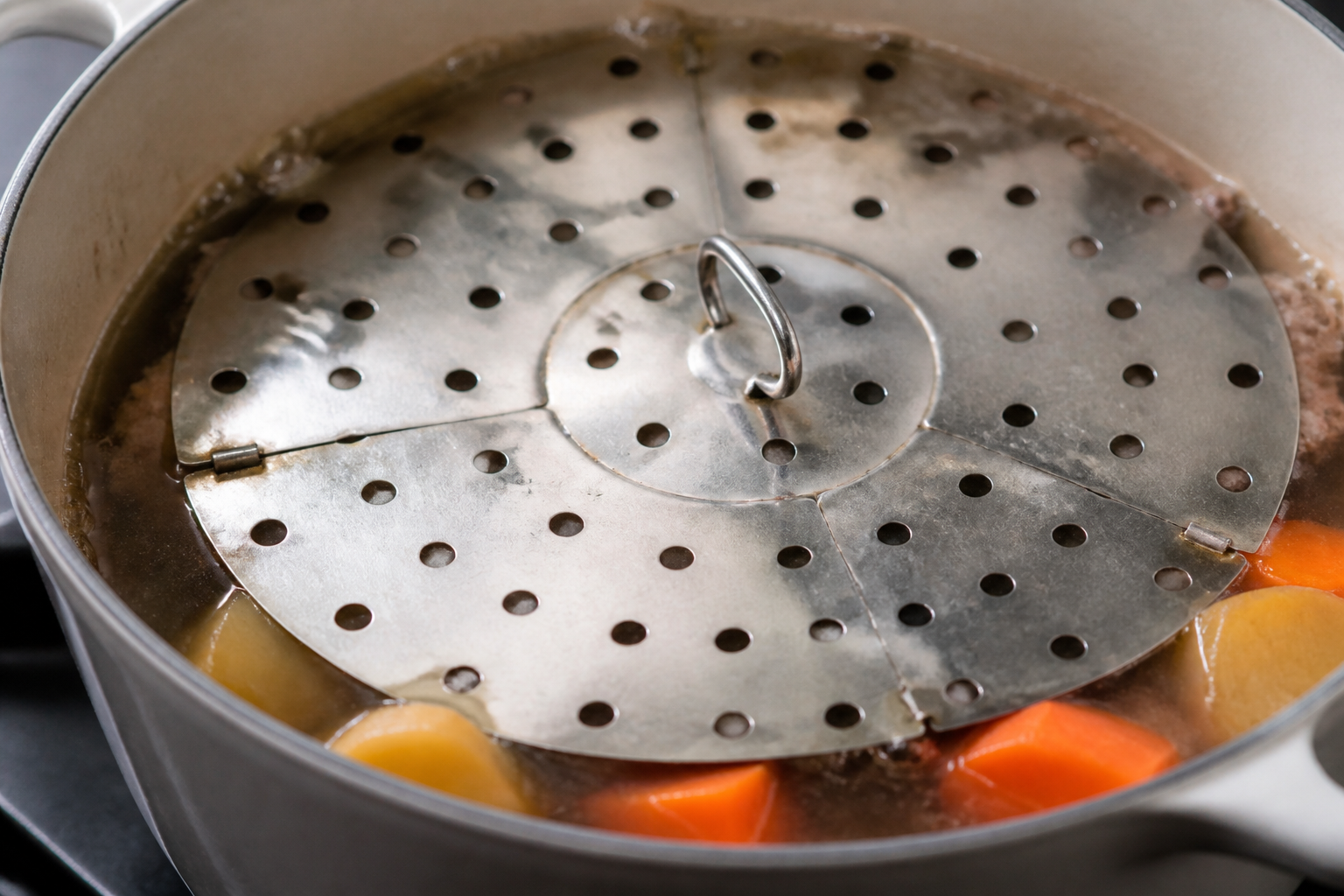
Pour in the dashi, soy sauce, mirin, sugar and sake. Bring to a gentle boil and skim off any foam. Place a drop lid (otoshibuta) directly over the ingredients. If you do not have one, use a circle of baking paper or aluminum foil with a small hole in the center. Simmer over medium-low heat for 15–20 minutes.
5. Check for Doneness and Rest
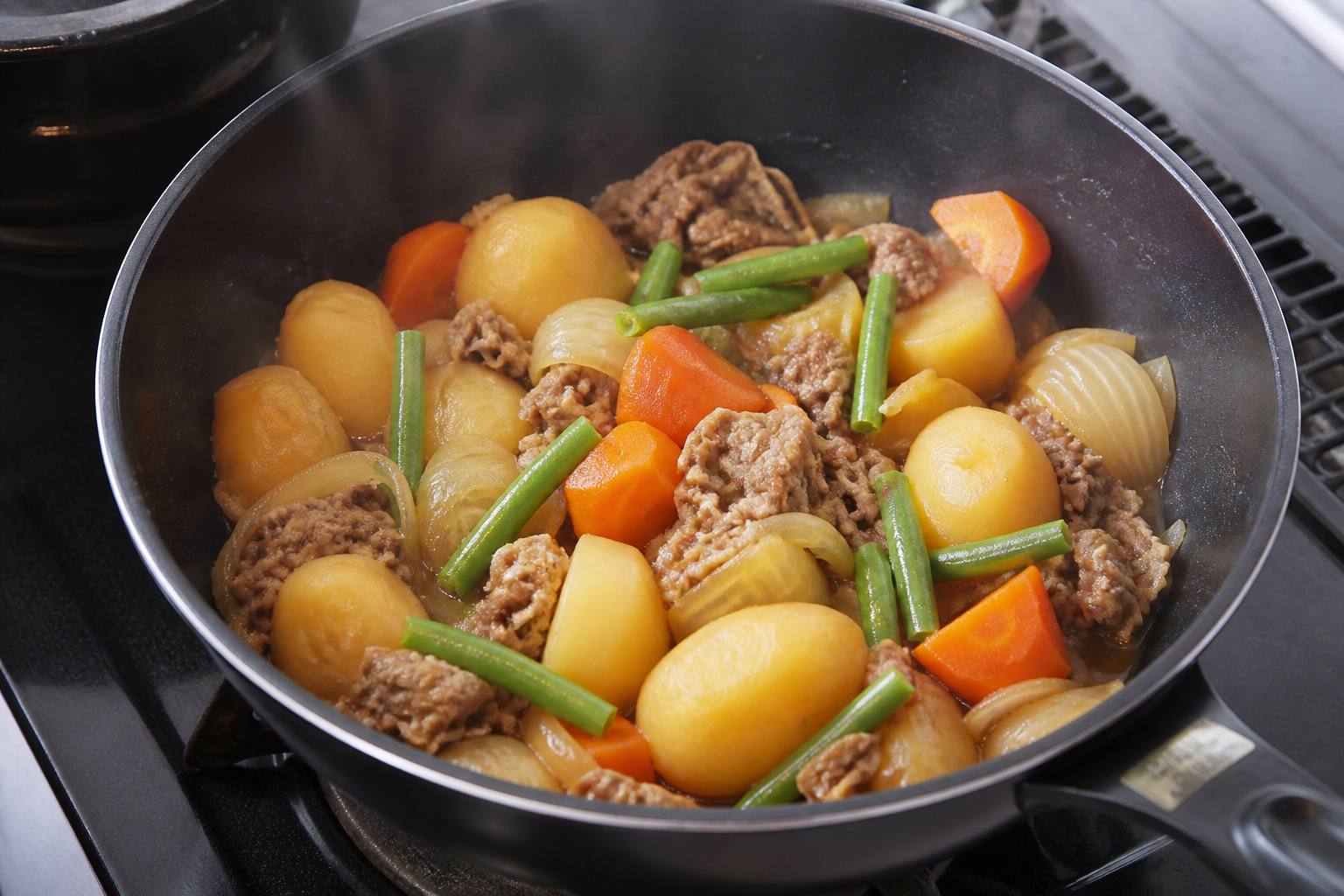
When a skewer slides easily into the potatoes, remove the drop lid and add the green beans. Simmer uncovered for 2–3 minutes to reduce the broth slightly. Turn off the heat and rest for 10 minutes. This resting time helps the vegetables absorb more flavor.
How to Avoid Common Mistakes
- Potatoes falling apart: Use waxy or all-purpose potatoes and stir as little as possible.
- Flavor too salty: Use Japanese-style soy sauce and unsalted stock; do not reduce the broth too aggressively.
- Tough beef: Choose thin slices and stop frying while a little pink remains.
- Uneven flavor: Use a drop lid so the simmering liquid circulates over the ingredients.
How to Serve Nikujaga
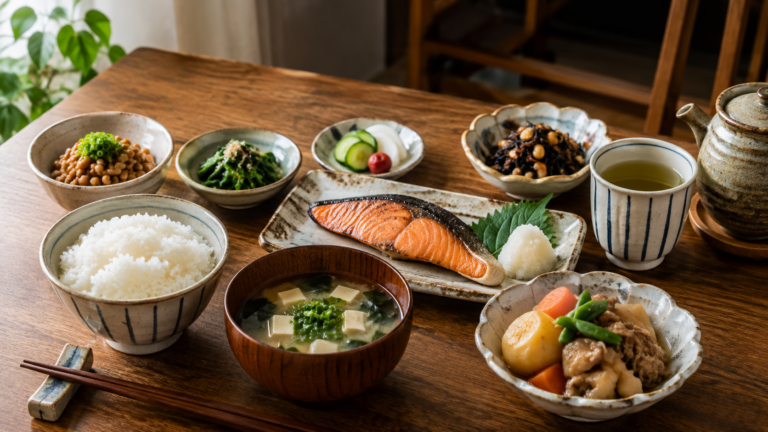
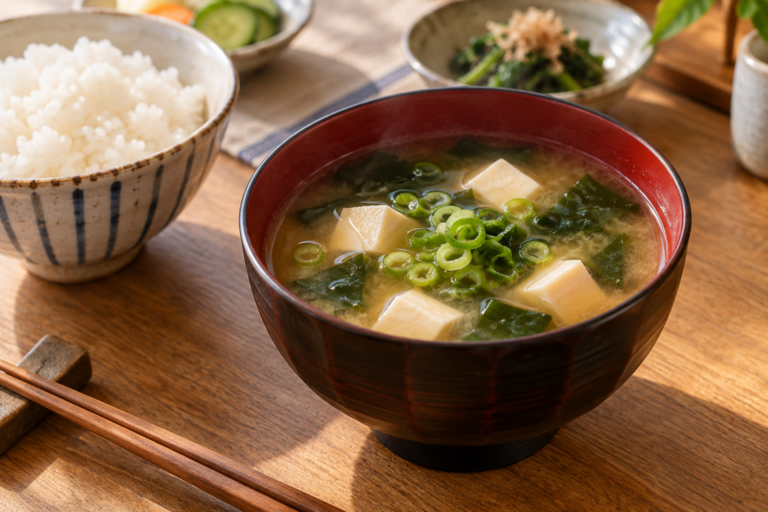
Serve nikujaga warm in individual bowls with steamed Japanese rice. A bowl of miso soup and a crisp cucumber or cabbage side dish make a complete Japanese home-style meal.
Storage and Reheating
Cool the dish promptly and refrigerate it in a covered container for up to 3 days. Reheat gently in a saucepan or microwave until piping hot. Freezing is not recommended because potatoes can become grainy.
Frequently Asked Questions
Can I make nikujaga without dashi?
Yes. Use water or unsalted chicken stock. Dashi gives the cleanest Japanese flavor, but soy sauce, mirin and the meat still create a tasty broth.
Is beef or pork more traditional?
Both are common. Beef is especially popular in western Japan, while pork is often used in eastern Japan. Use whichever is affordable and easy to slice thinly.
Does nikujaga taste better the next day?
Often, yes. The potatoes and carrots continue absorbing the seasoned broth as they cool.
Looking for another easy Japanese family meal? Try our Japanese Curry Rice recipe, or explore 25 everyday meals Japanese people eat at home.
Made This Recipe? Share Your Experience
Did you cook this dish at home? Leave a comment below and tell us what you changed, which ingredients you used, and how it turned out. Your experience can help other home cooks.
Build Your Japanese Pantry
Not sure which rice, miso, soy sauce or dashi to buy outside Japan? Start with our practical guide to the 12 most useful staples.